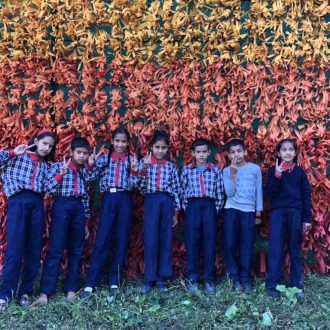
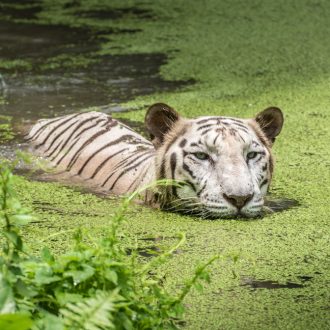
Beyond the Tiger – Discovering the Real Sunderbans

Sunderbans beyond the tiger – Island Hopping, Local Experiences, Homestays and Community tourism
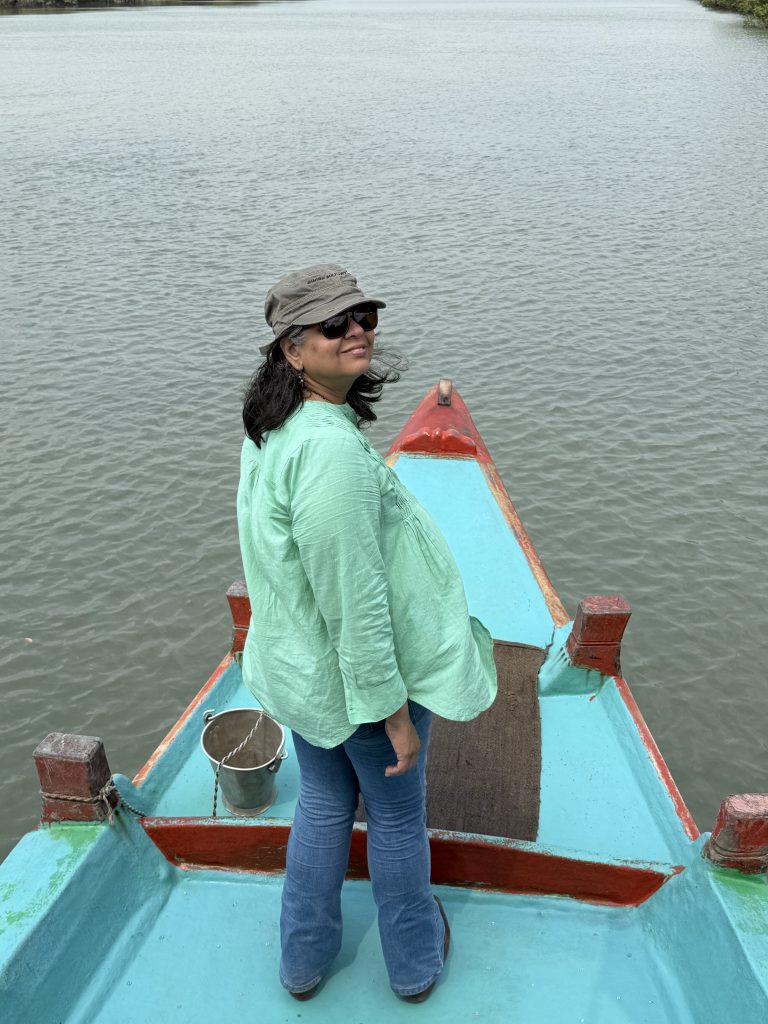
I woke up to a high-pitched but lilting ululation that cut through the morning air, rising and falling in quick rhythmic bursts, followed by the peals of temple bells. A gentle ray of sunlight found its way through the window, stroking my face until I reluctantly opened my eyes. I squinted against the light as my senses slowly awakened.
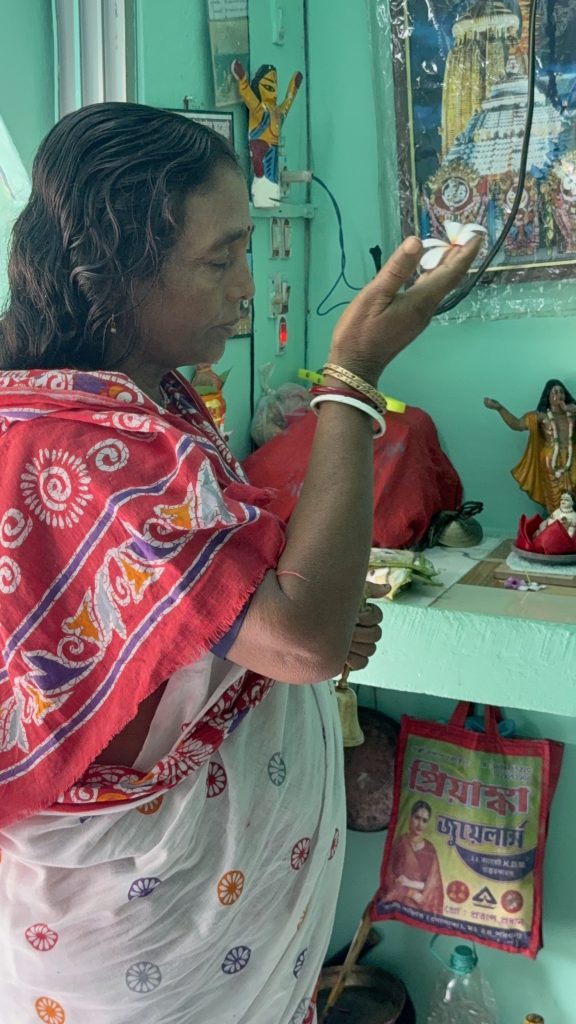
Waking up to the Sounds of Sunderbans
The room came into focus; the earthly tones blended with the simple decor as the unmistakable “Ulu Dhwani,” the auspicious ululation voices of Bengali women, echoed again. Then, almost as if in perfect harmony, the deep, resonant Shankhnaad of a conch floated across, its lingering notes wrapping the morning in an almost meditative calm.
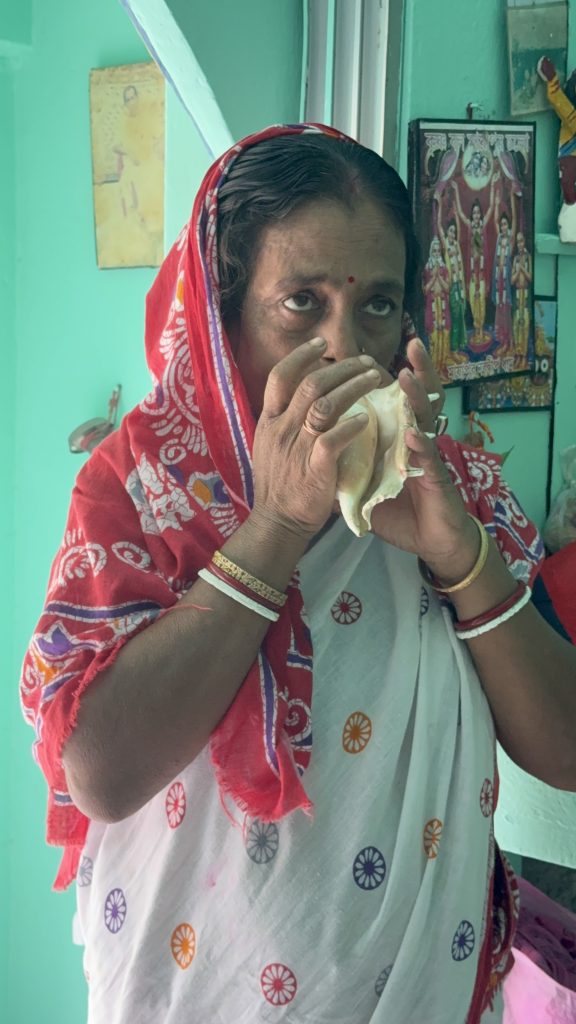
It took me a moment to sink in. I was in Bali, not the touristy Indonesia Bali, but a picturesque island, nevertheless, nestled amidst the labyrinth of rivers and mangroves in the Indian Sundarbans, located in South 24 Parganas district in West Bengal.
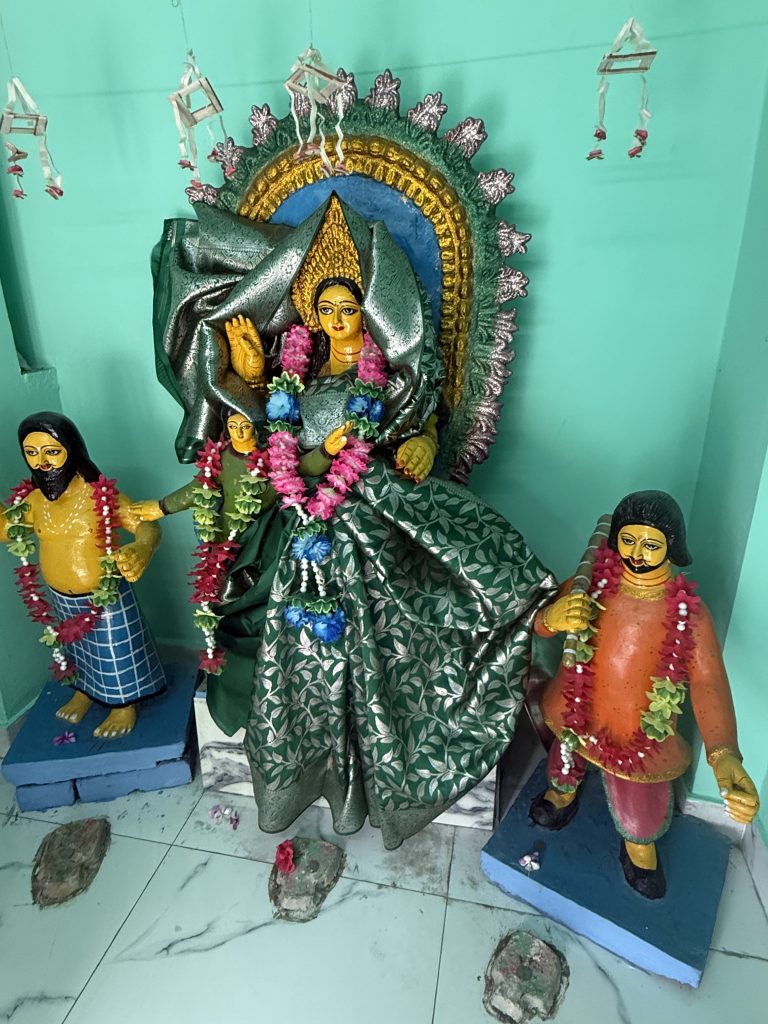
It was my first dawn on the island, and I realized that mornings here began with prayers, birdsong and the quiet rhythm of village life. A knock on the door, and my gracious hostess, Supriya Mondal of the Bonbibi Home Stay, was standing there with a hot cup of tea and some Prasadam.
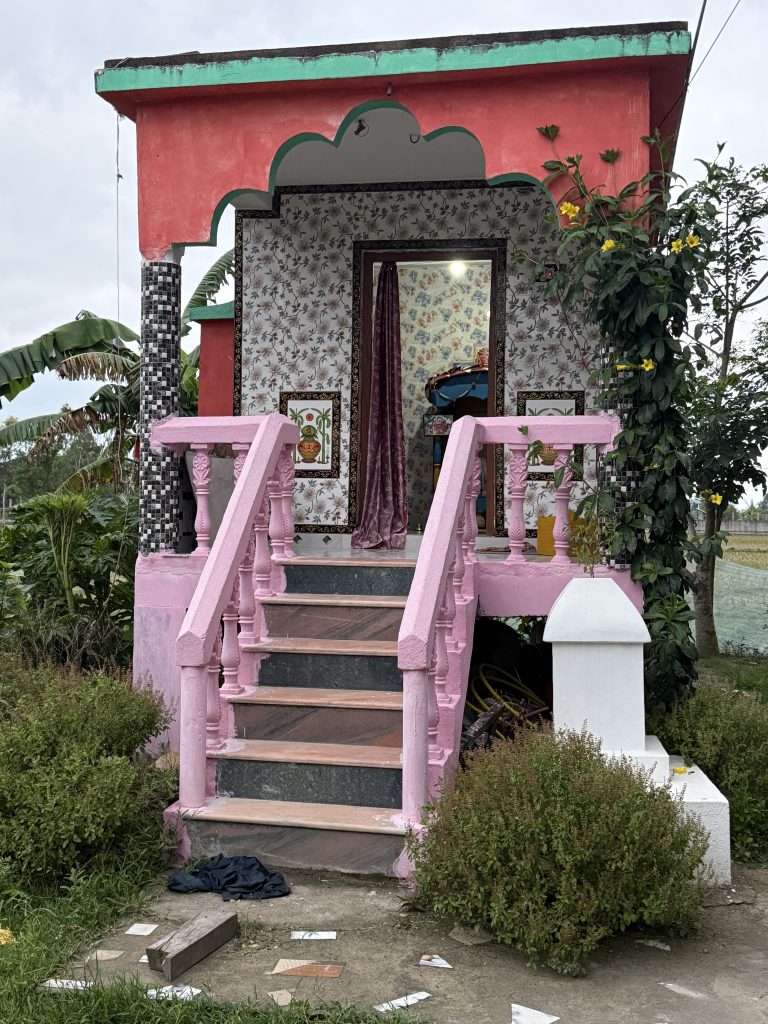
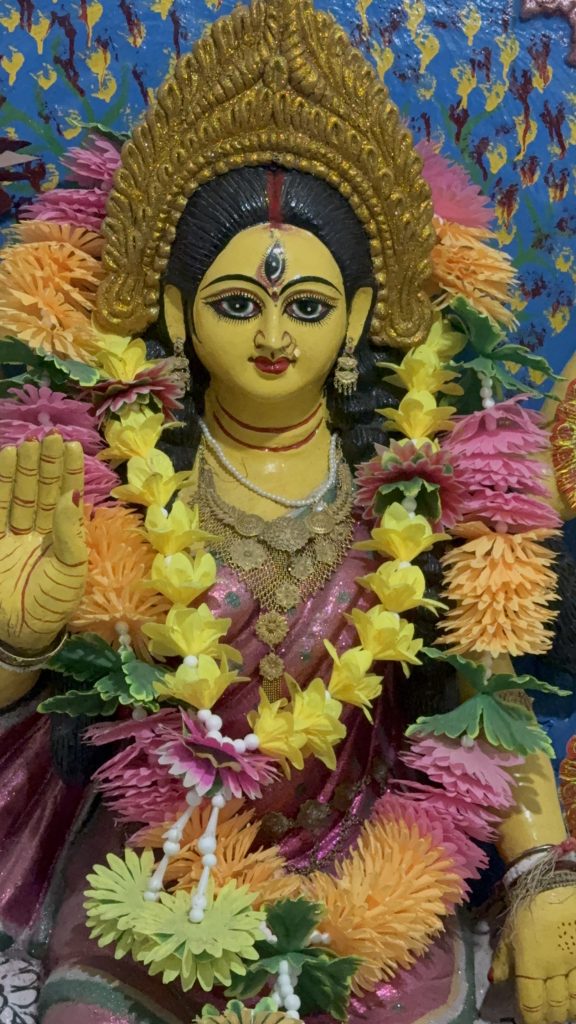
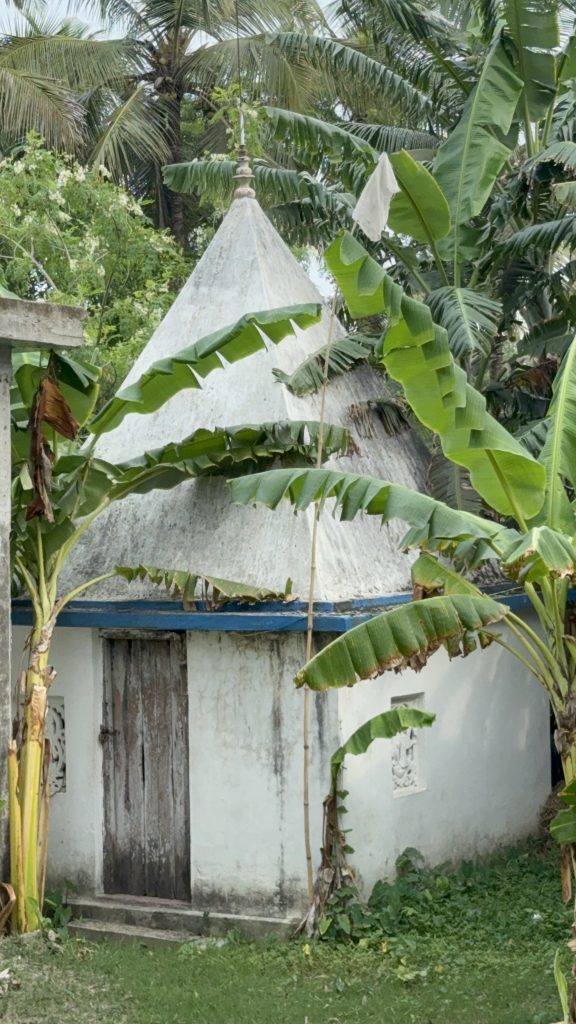
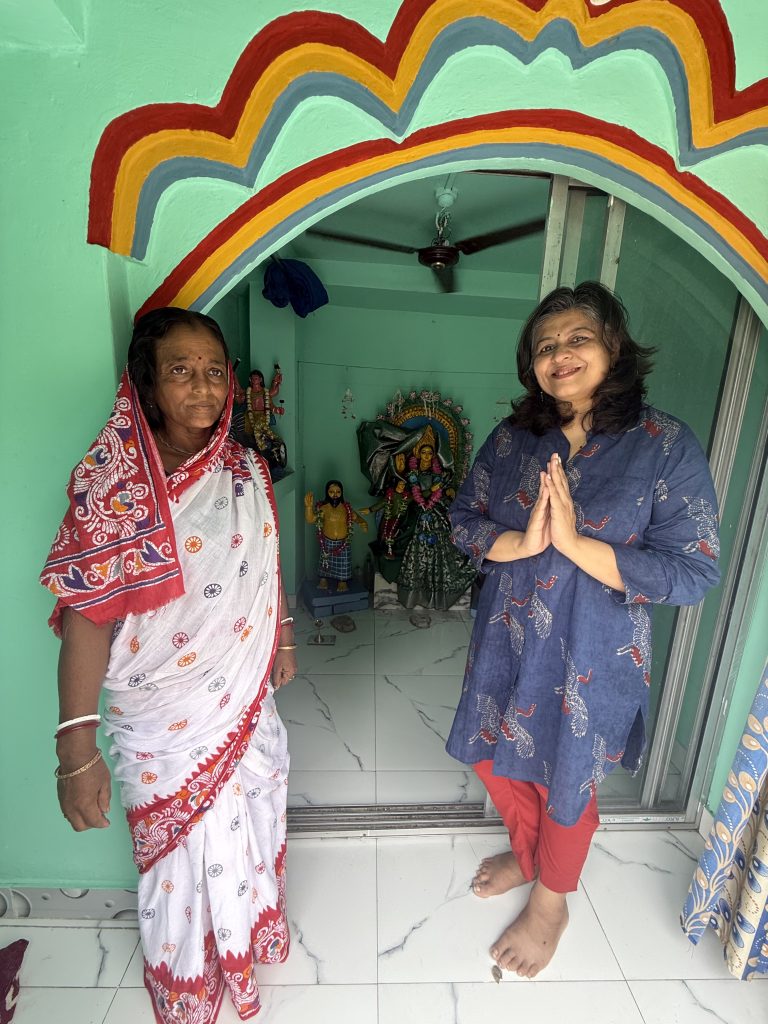
Every home in Bali had a separate temple dedicated to either Radha Krishna, Mahadev, Maa Durga, or Bonbibi, the Guardian Goddess of the mangrove forests. The Bengali women began and ended their day with their ritualistic puja and prayers that started with the Ulu Dhwani and culminated with the Shankhnaad.
As I sipped my morning tea and lost myself in the colourful gardens around my homestay, my reverie was interrupted by the shrill call of the machhranga—the white-throated kingfisher, literally the emblem of Sunderbans, as it perched on a branch dipping into the freshwater pond in the homestay and scanning for its breakfast.
Sunderbans Shaped By Tides
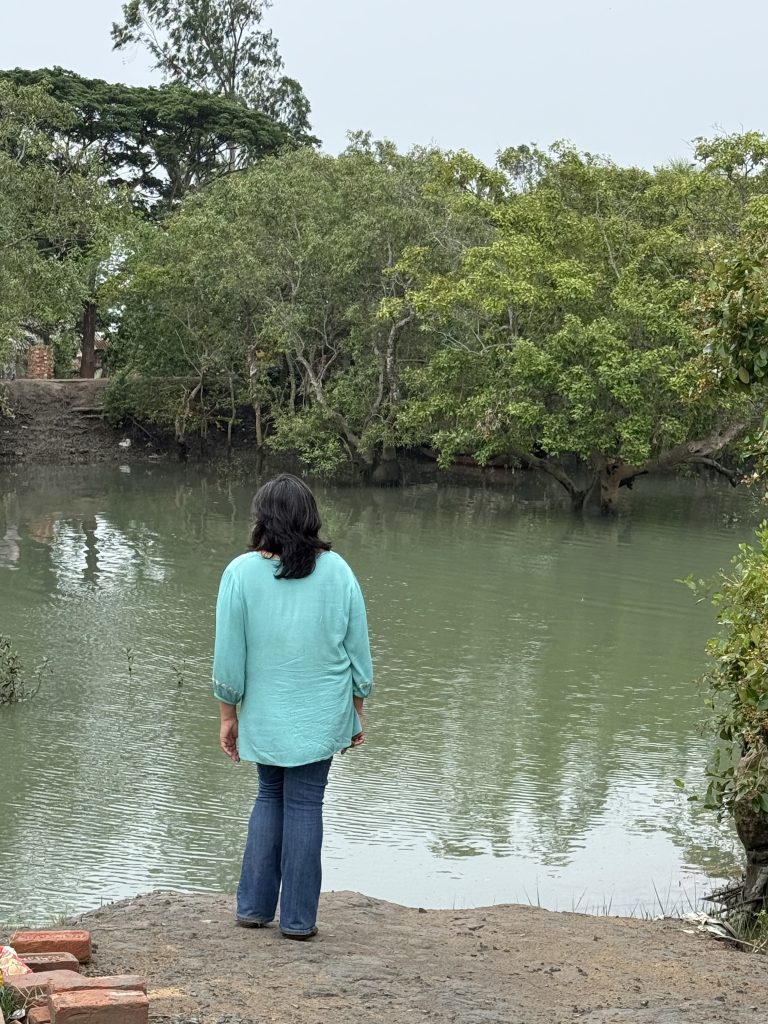
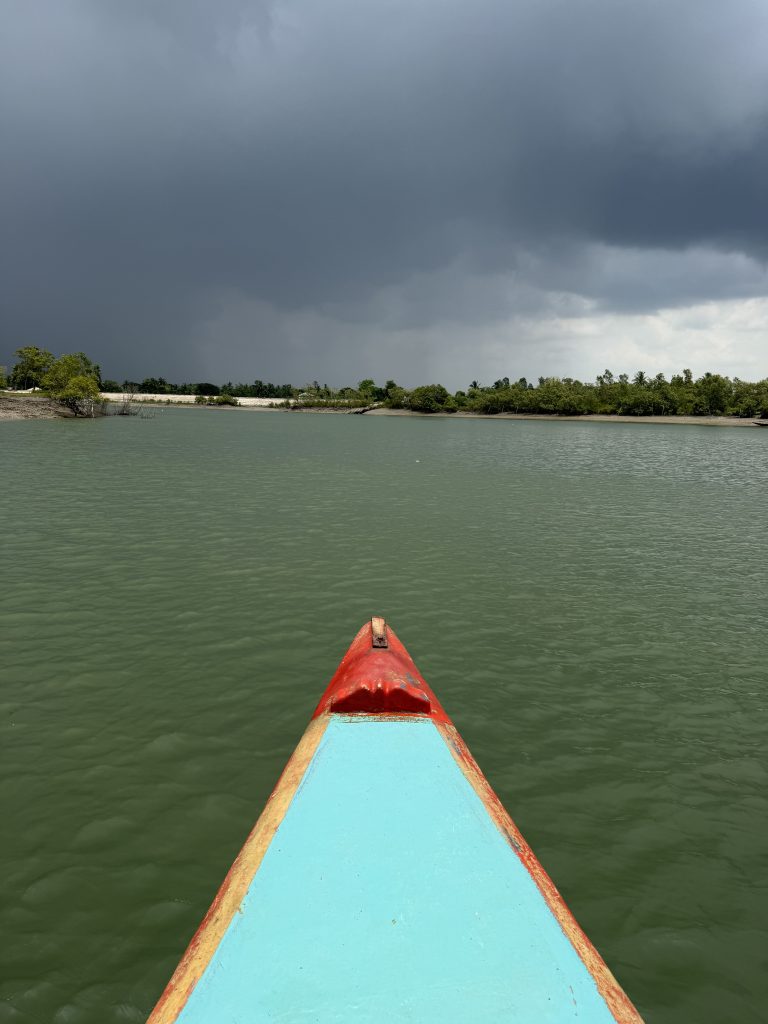
Sunderbans has been on my bucket list for years. An archipelago of 102 islands, of which only 54 are inhabited, it is a land shaped by tides rather than time, where rivers are roads and boats are lifelines. Formed by the mighty Ganges, Brahmaputra and Meghna rivers and their tributaries and distributaries, before they merge with the Bay of Bengal, the world’s largest mangrove forest spans nearly 10,000 square kilometres across India and Bangladesh. A UNESCO World Heritage Site, it stretches endlessly across a maze of islands, creeks and mudflats, stirring the imagination of many a traveller.
For many of us, the Sunderbans is synonymous with the majestic Royal Bengal Tiger, which swims across rivers, blends with the dense mangrove forests and has adapted to one of the harshest and most unforgiving landscapes on the planet.
But beyond the wilderness, lies another world—one of villages with fishermen, honey collectors, farmers and resilient local communities who have learnt to flow and ebb with the tidal way of life, the devastating cyclones, the saline mangroves, the dense forest and its enigmatic denizen – the tiger.

Ferry to Sunderbans – Leaving Kolkata Behind
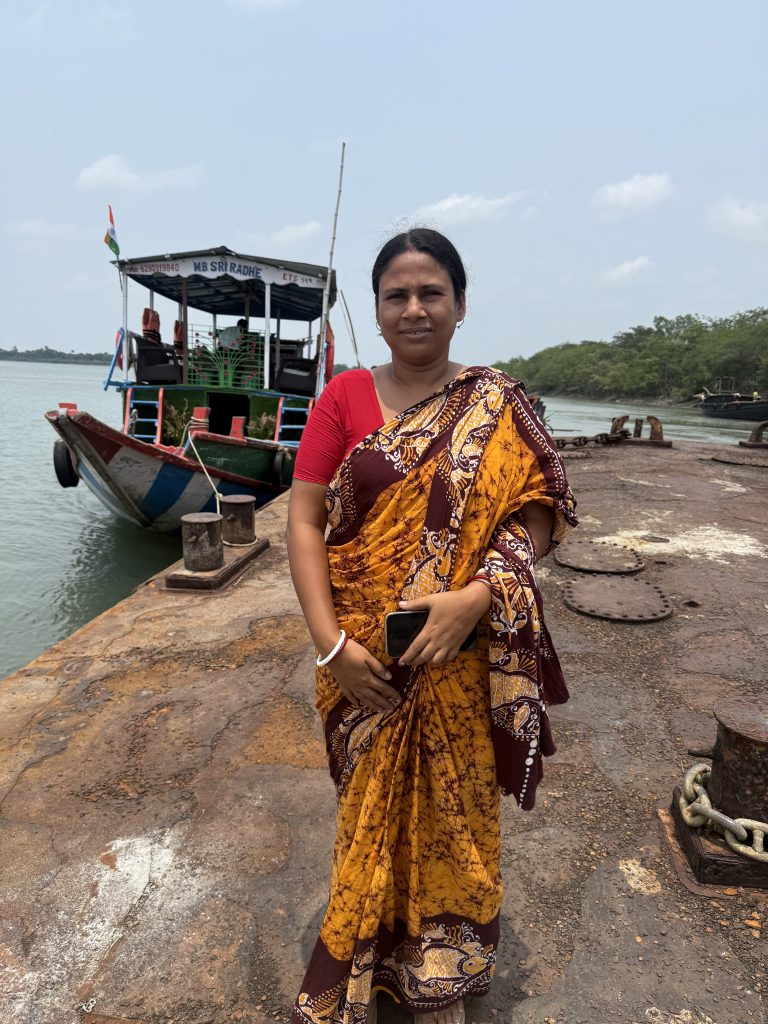
My tryst with the Sunderbans began with the lush island of Bali. I landed in Kolkata and drove to Gadkhali Ferry Point, the Gateway to Sunderbans, located in South 24 Parganas District. The jetty at Gadkhali is at a distance of 90 kms which took us a little over a couple of hours by road.

We boarded another ferry, a special one this time, and we were at Bali in less than 15 minutes, after which we took a tuk tuk that chugged through a slow and scenic drive across fields and mangroves to reach my village,

Village Ways and Sundar Sunderbans – Championing Community Tourism
My journey to the Sundarbans began with an invitation from Manisha Pande, co-founder of Village Ways, an organisation that has been quietly championing rural and responsible tourism across the islands of Bali, Dayapur and Gosaba. Along with the local community, Village Ways has helped establish Sundar Sundarban, a community-led initiative that aims to create sustainable livelihoods beyond wildlife tourism by showcasing the region’s rich cultural and natural heritage.
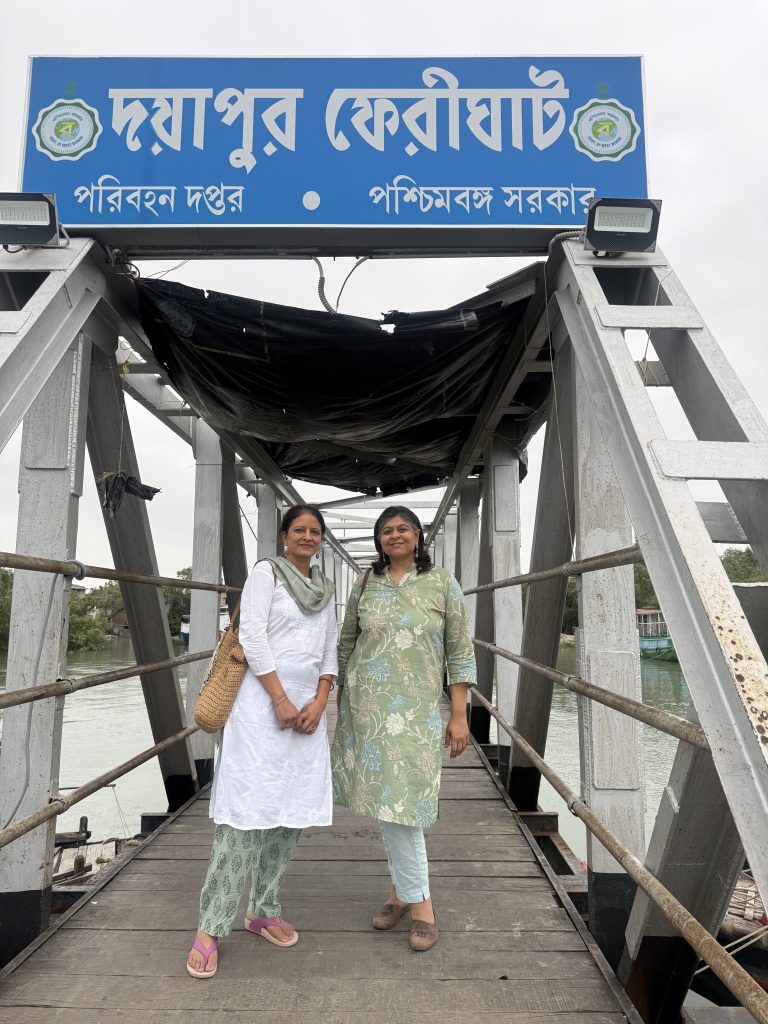
Instead of limiting the Sundarbans to tiger safaris and boat cruises, the initiative celebrates the everyday life of its villages through thoughtfully curated local experiences—staying in family-run homestays, island hopping on public ferries and private cruises, guided village walks, birdwatching, farm-to-table meals, nature trails, craft workshops, folk performances and meaningful interactions with the people who call these islands home. Most of these experiences are led by residents themselves, ensuring that tourism directly benefits the community and exploring livelihood opportunities.
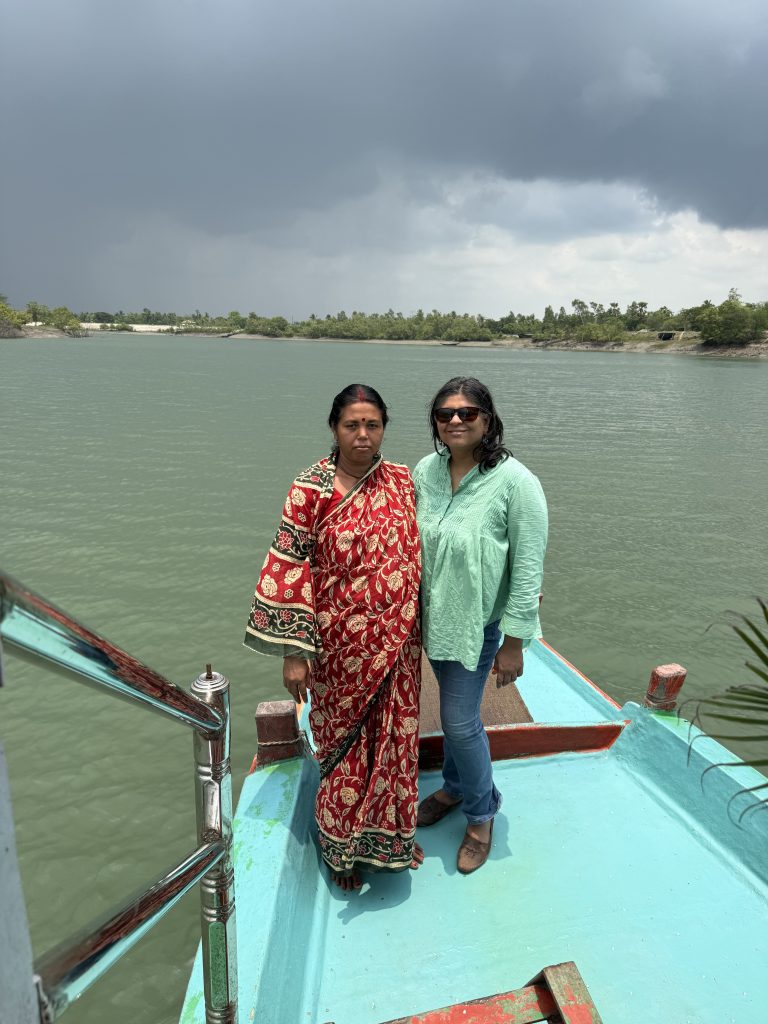
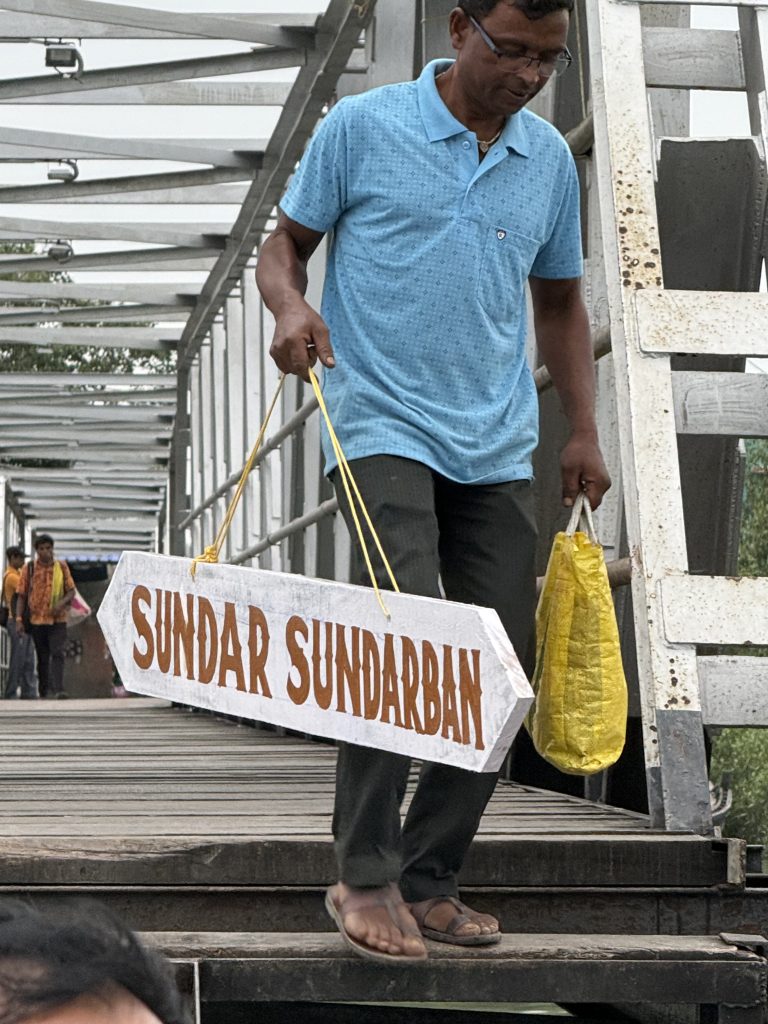
I had been invited to spend a week experiencing this side of the Sundarbans—a side that few travellers get to see, and one that completely changed the way I understood this remarkable landscape.
People Make Places – Architects of Local Experiences
What made this journey truly special wasn’t just the experiences themselves, but the people who brought them to life. Over the course of the week, I was welcomed into village homes where I stayed, shared simple meals with them, danced and sang with the villagers, prayed with them in their personal temples, watched their plays, walked through fields and forests with them and listened to their stories.
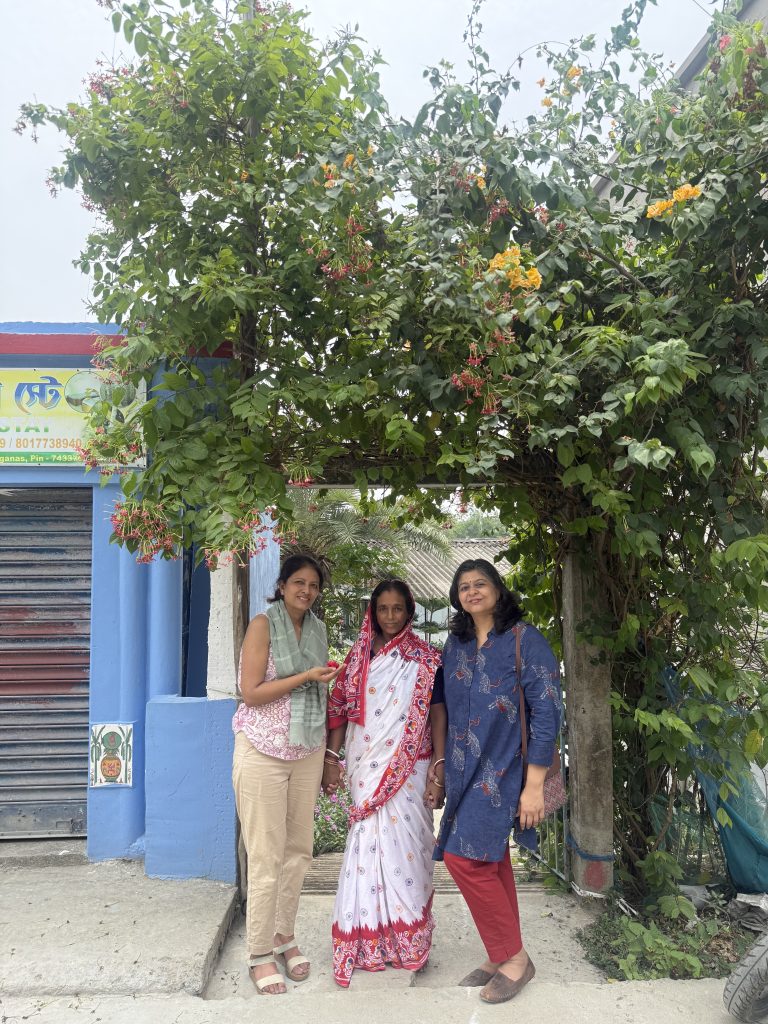
Eventually, I discovered a side of the Sundarbans that no guidebook could ever capture. Every experience was rooted in genuine human connection, making the journey feel less like a tour and more like being welcomed into a community.
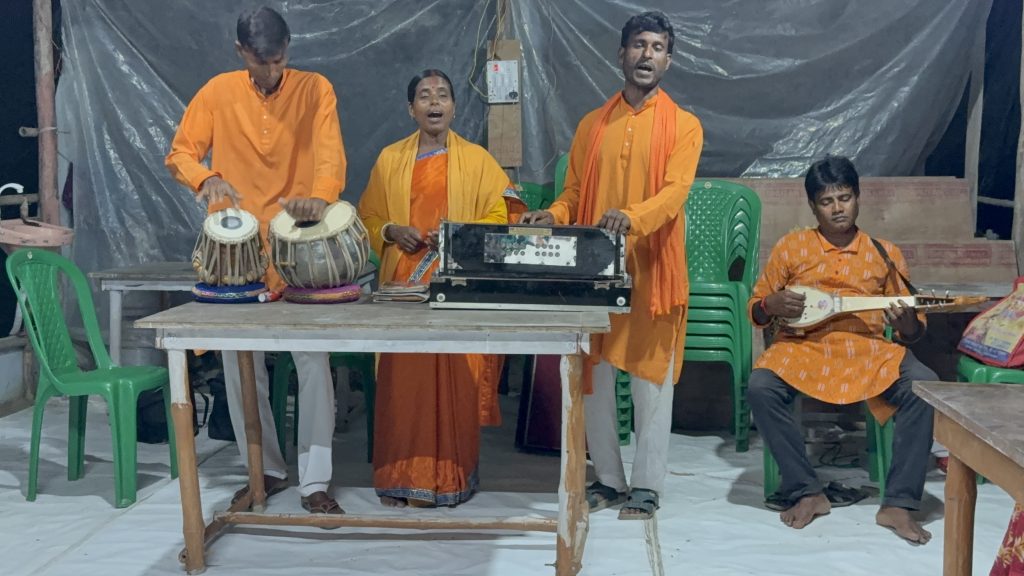
At the heart of it all were two remarkable people. Kalicharan, from Bali, a tour operator who also runs the charming Nitai Gaur Homestay. His courtyard became the hub for many of our community experiences, be it watching a play, sharing a meal, or watching craftswomen at work. His warmth made us feel less like guests and more like family.
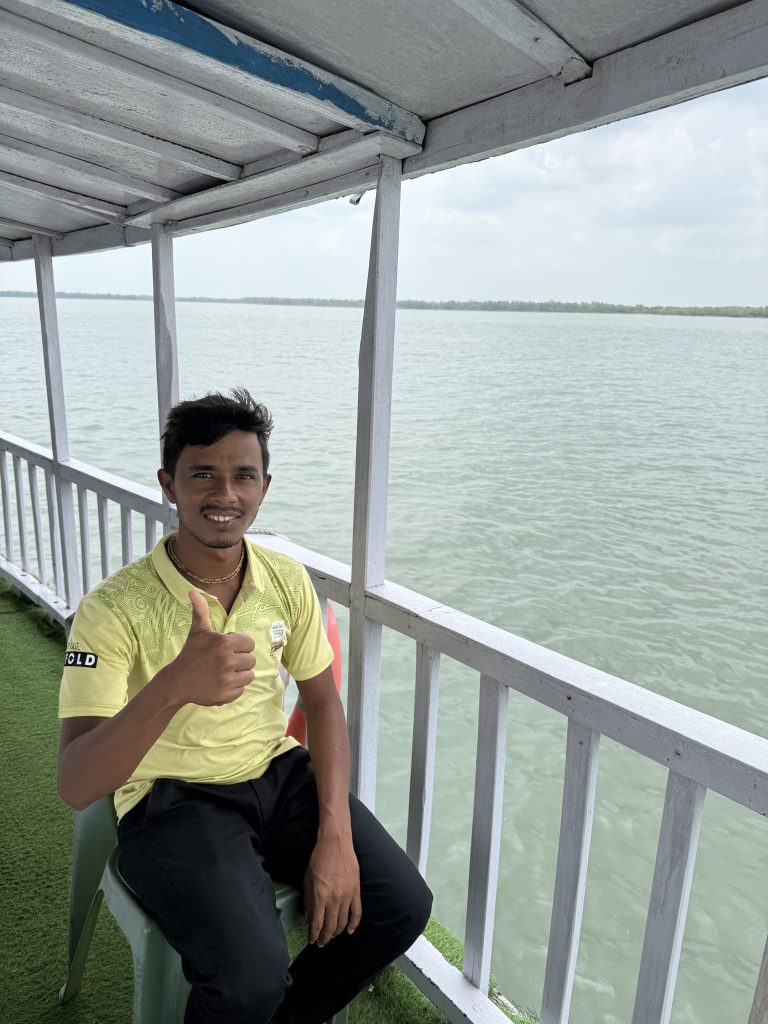
He was with me on the day Manisha and I landed at the ferry at Gadkhali and accompanied me throughout the journey. More than just a tour guide, Kalicharan opened not just his home but his village to us.
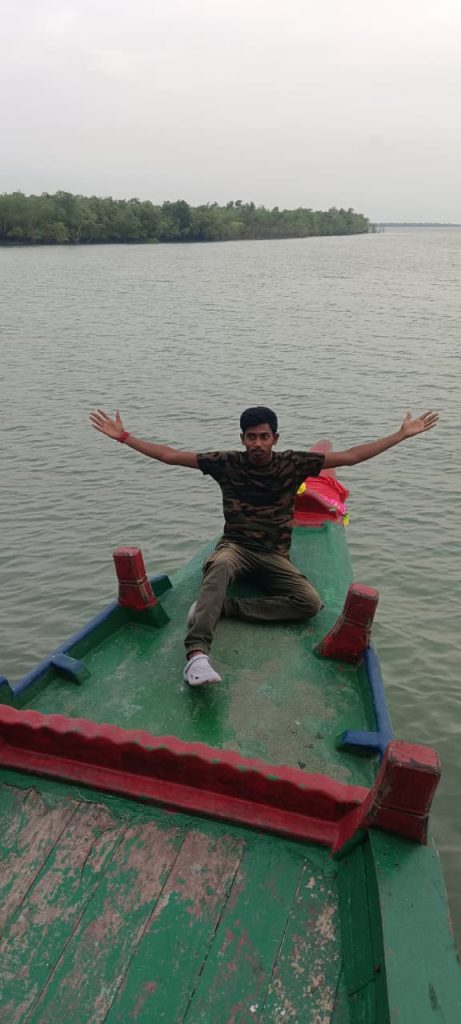
Alongside him was Subrato, a naturalist, forest guide and the local coordinator for Village Ways , whose deep knowledge of the Sundarbans and unwavering commitment to its people, forests and wildlife added depth and perspective to every walk, boat ride and conversation. Together, they became our window into the Sundarbans that most visitors never get to experience.
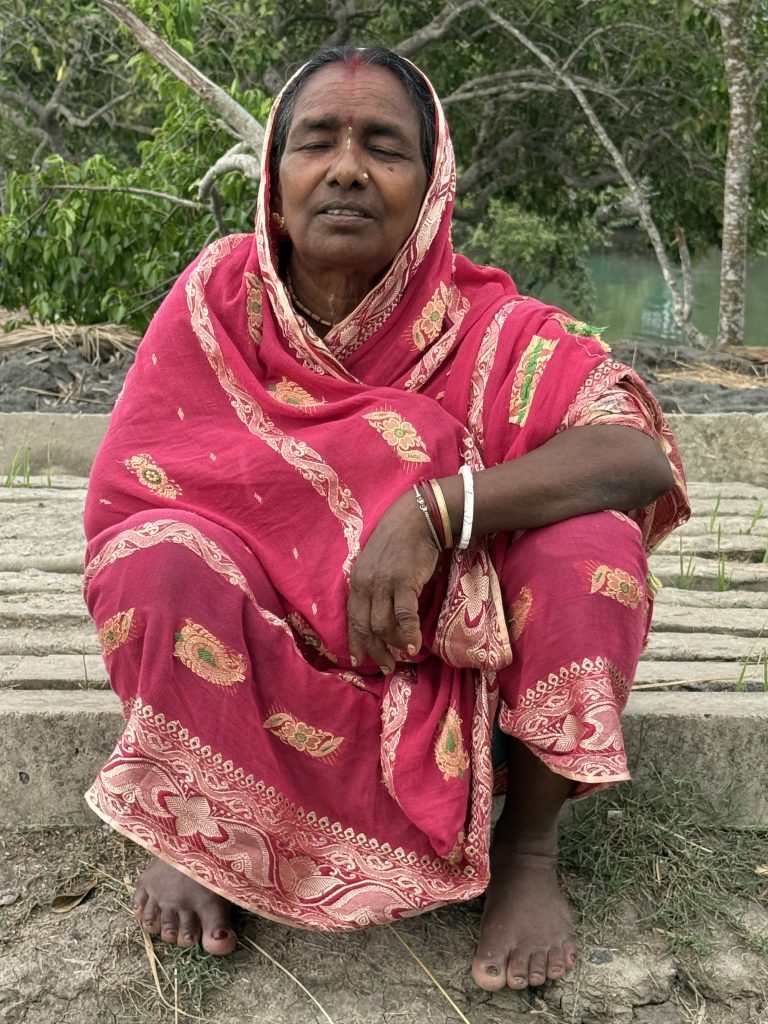
Welcome to Bali, where time slows down
I stayed for over two nights in Bali, and it became more than just a destination – it was a vibe, an emotion that I carried with me throughout the trip. Surrounding me were winding tidal rivers, mangroves, creeks and wetlands, freshwater ponds, as every corner of Bali looked like a postcard—but not the perfectly filtered kind made for Instagram. Its beauty was raw, rustic and wonderfully real.
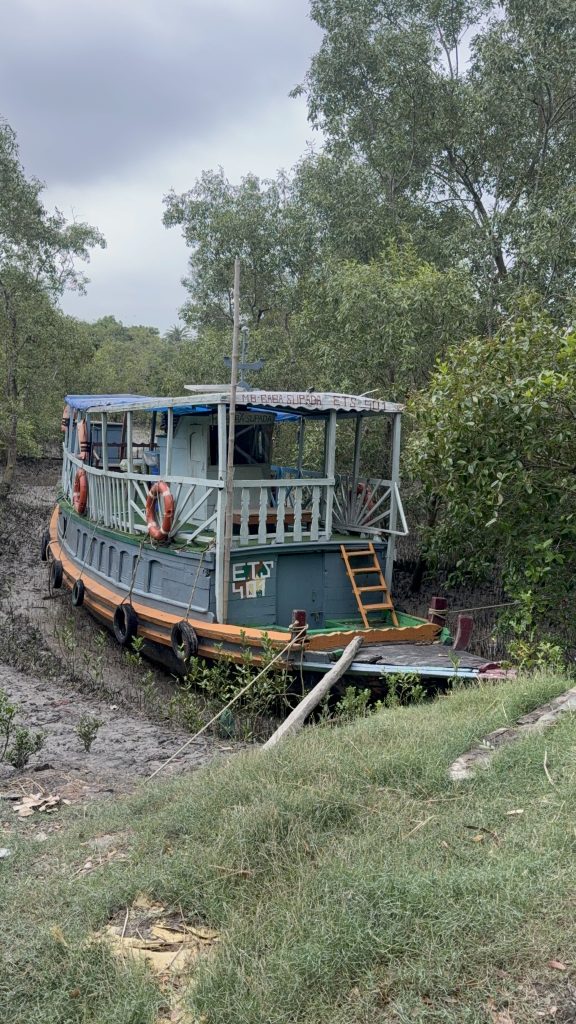
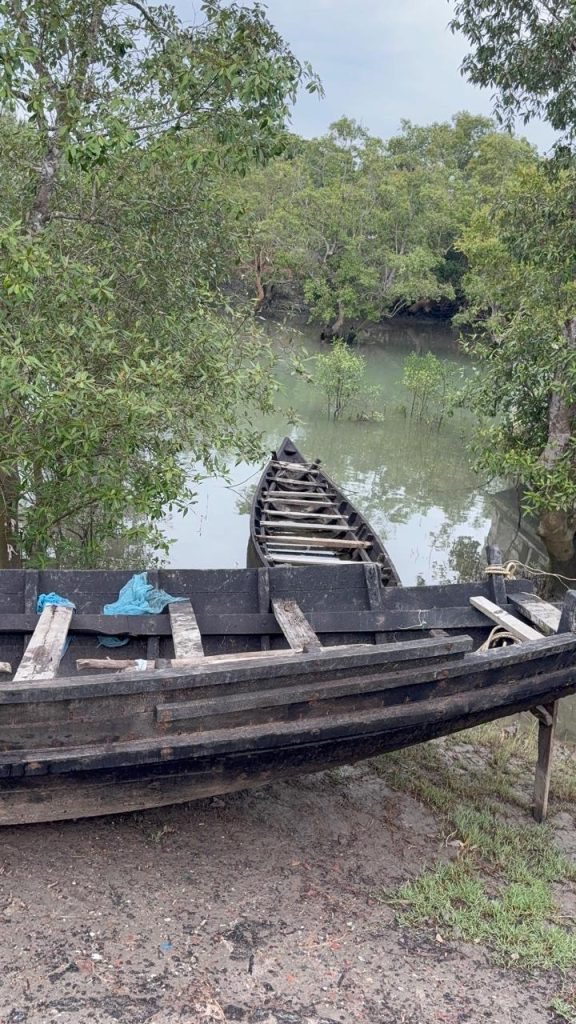
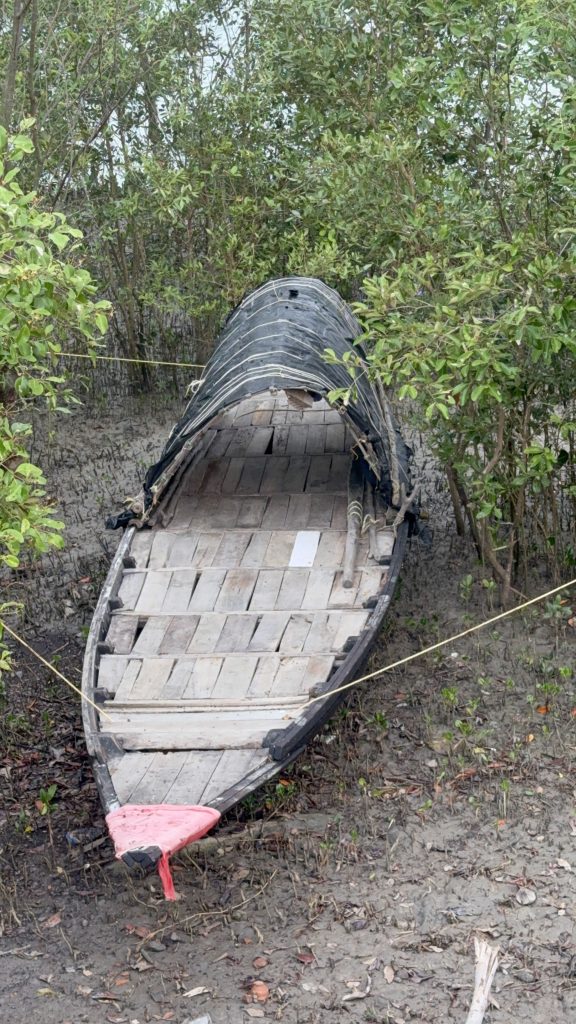
Cliché, it may be, but time seemed to slow down. Colourful wooden boats were tucked away along the riverbanks. Women pedalled past on bicycles with children perched behind them on their way to school. The days unfolded unhurriedly.
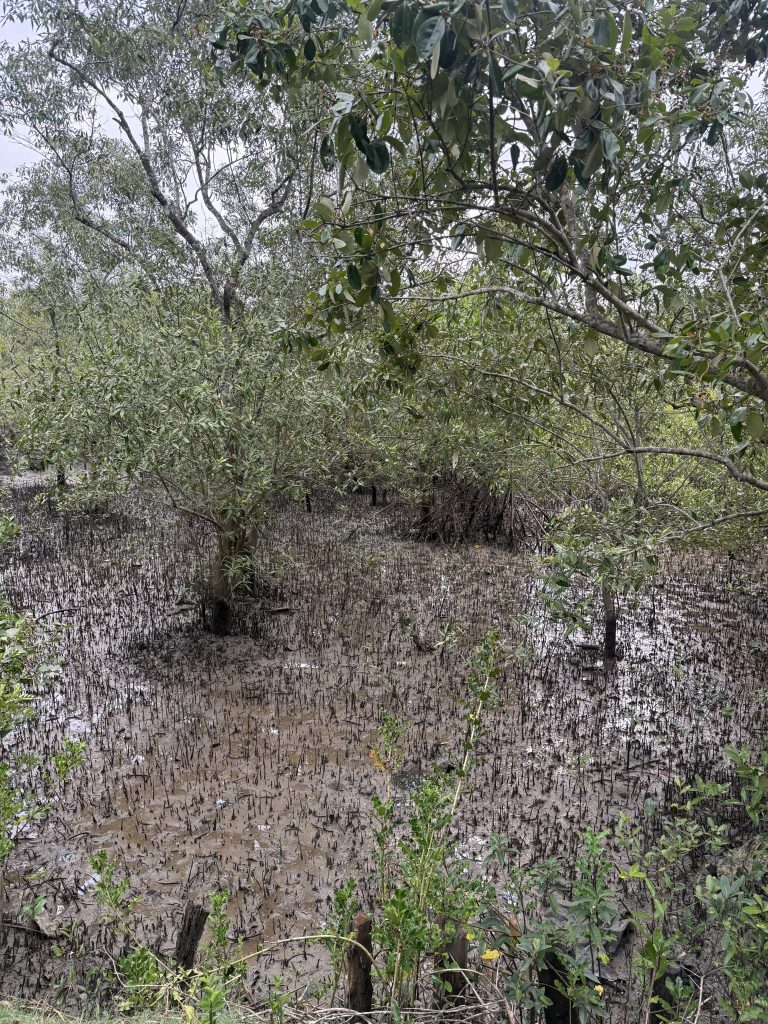
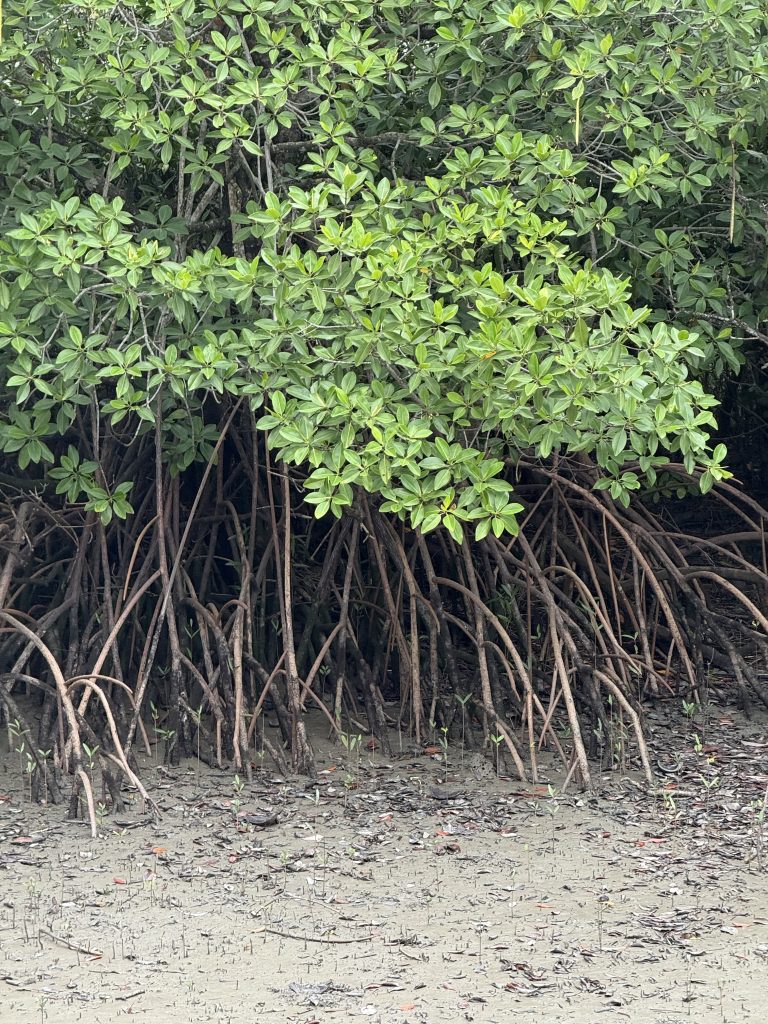
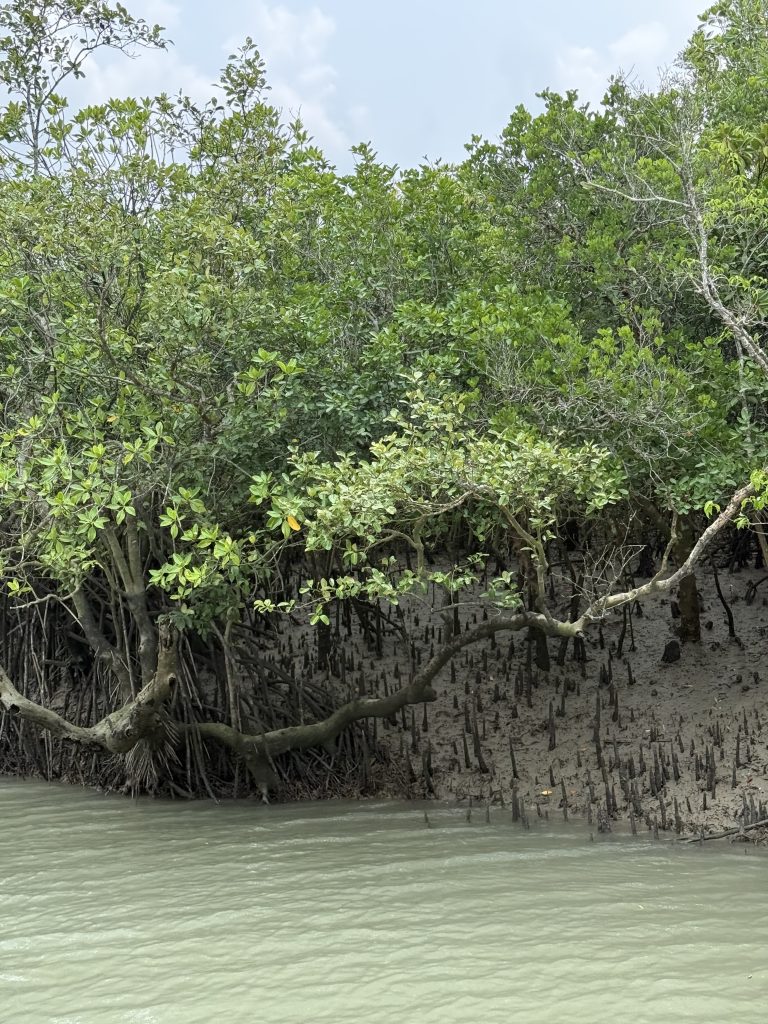
Mangroves floated in the waters while some stood tall, perched on mangled and stilted roots. While Sunderbans takes its name from the Sundari species of mangroves, there are close to over 80 species in the forests. Colourful boats rested along muddy wetlands.
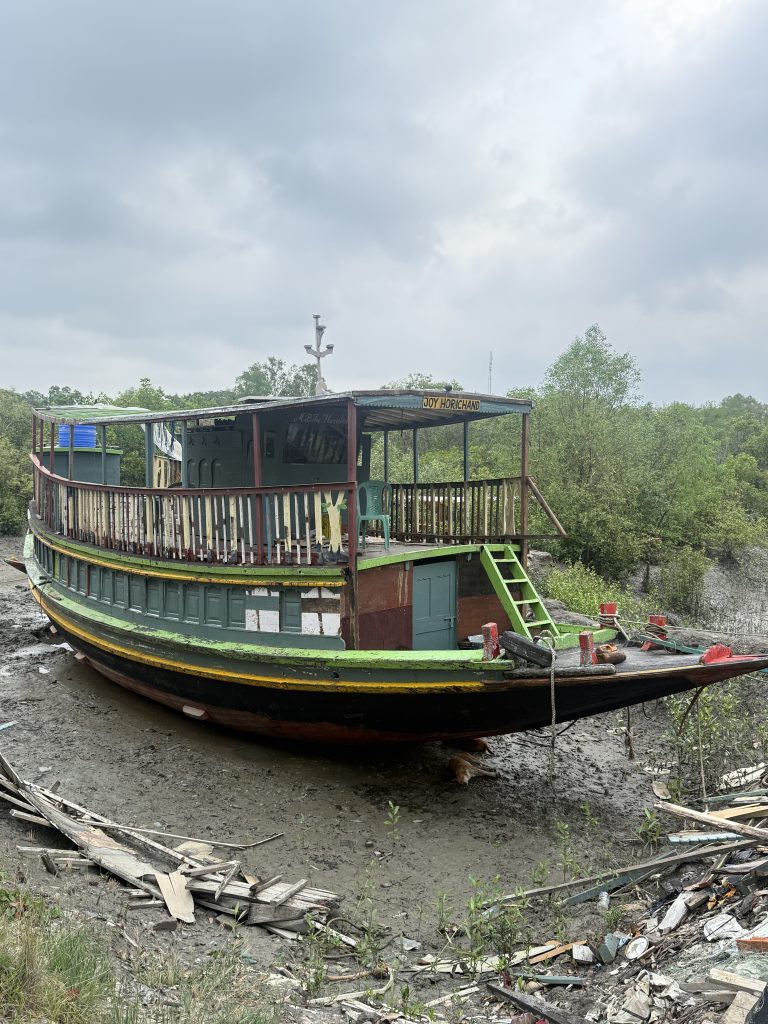
Freshwater ponds shimmered beside almost every home, while the river remained a constant companion, shaping life as much as the land itself. Like much of the Sundarbans, Bali has no bridge connecting it to the mainland—here, rivers are the highways, boats are the lifeline, and the ebb and flow of the tides quietly dictate the rhythm of everyday life.
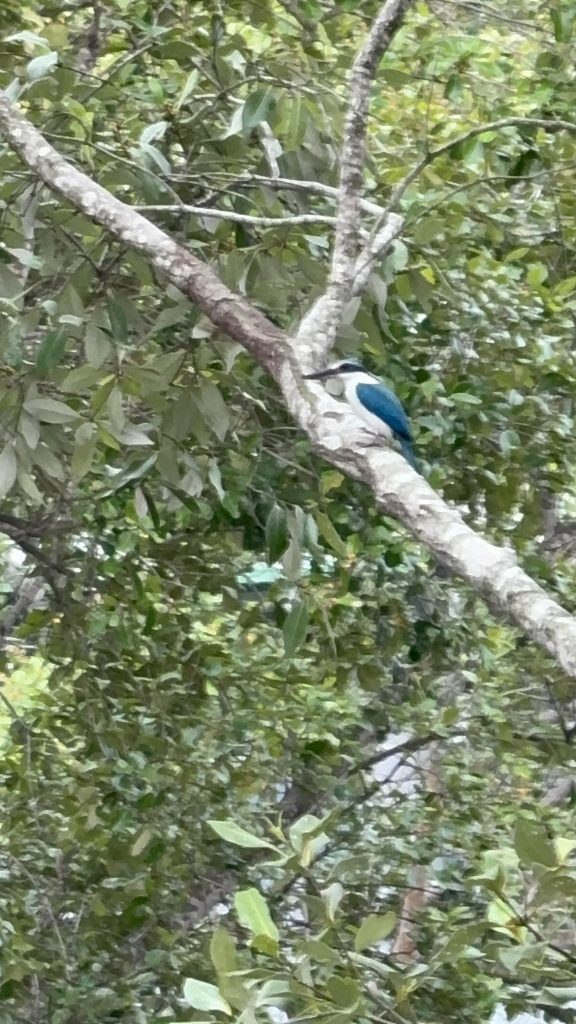
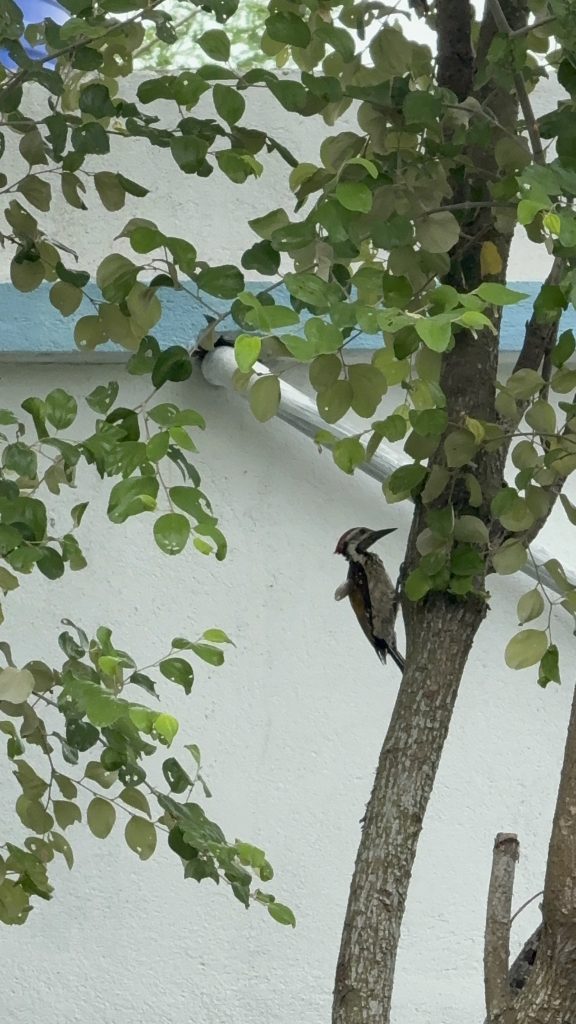
And everywhere, there were birds. There are over six varieties of kingfishers, besides the white-throated kingfishers – the white-eared kingfisher was king enough to pose for me. The golden-backed flameback knocked at the tree trunks, while the golden orioles called from the trees, and we were lucky to catch a glimpse of the elusive Asian paradise flycatcher darting through the foliage. Bali wasn’t manicured or curated. It was beautifully lived-in and deeply authentic—and that was precisely its charm.
Living the Island Life
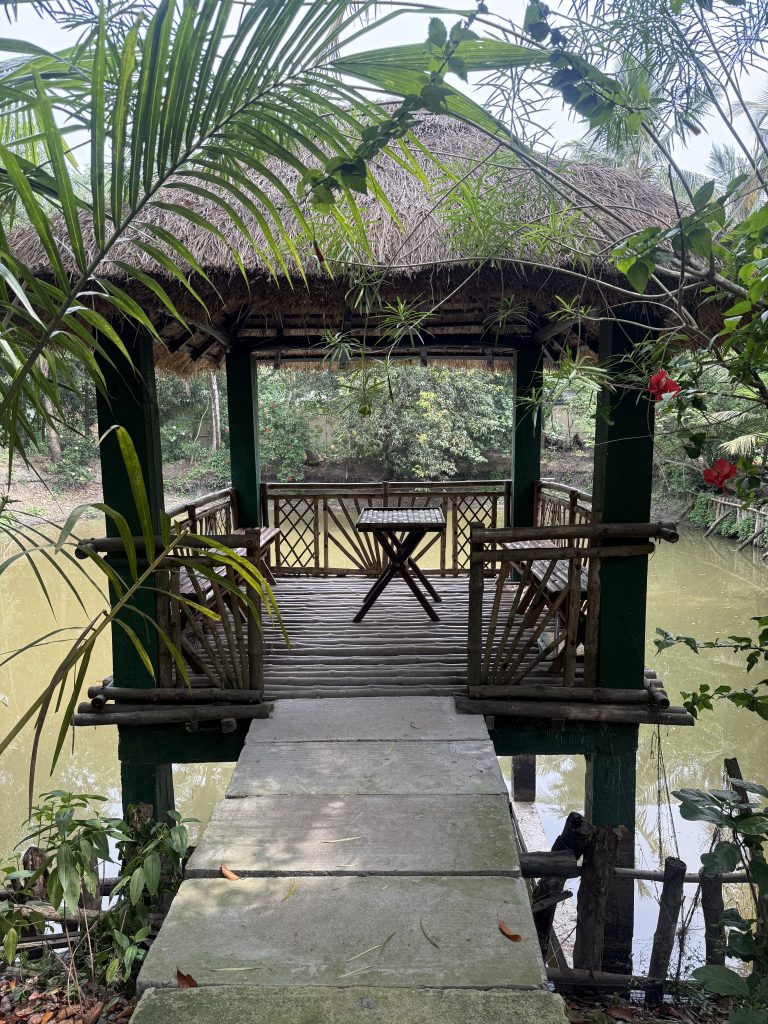
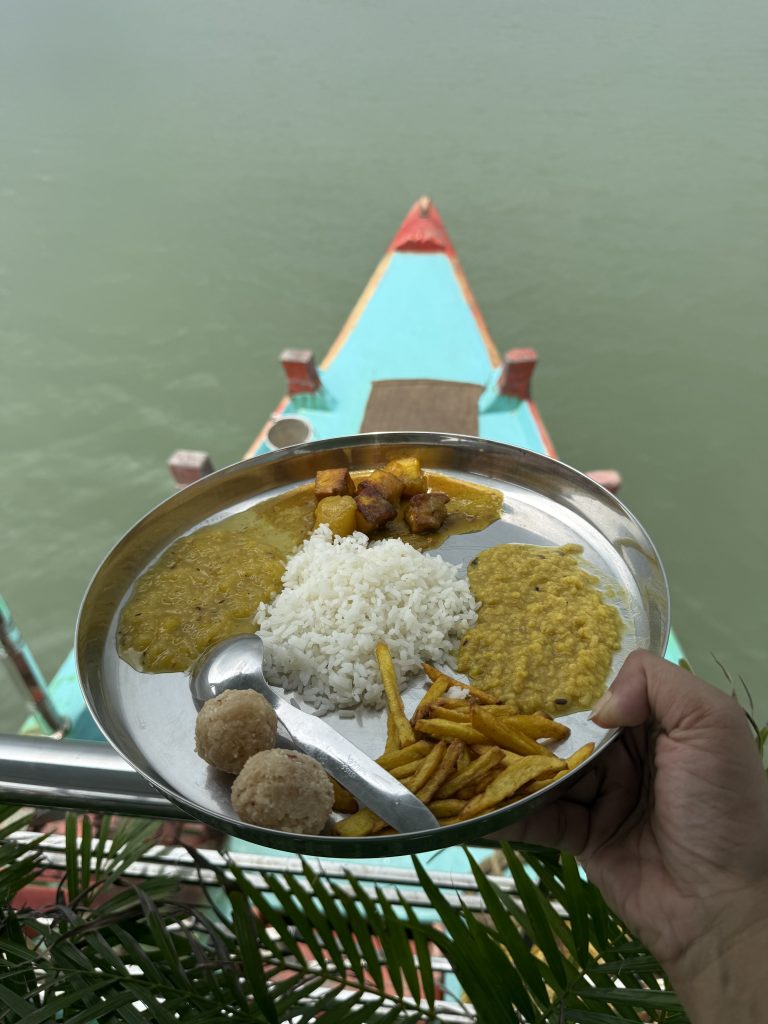
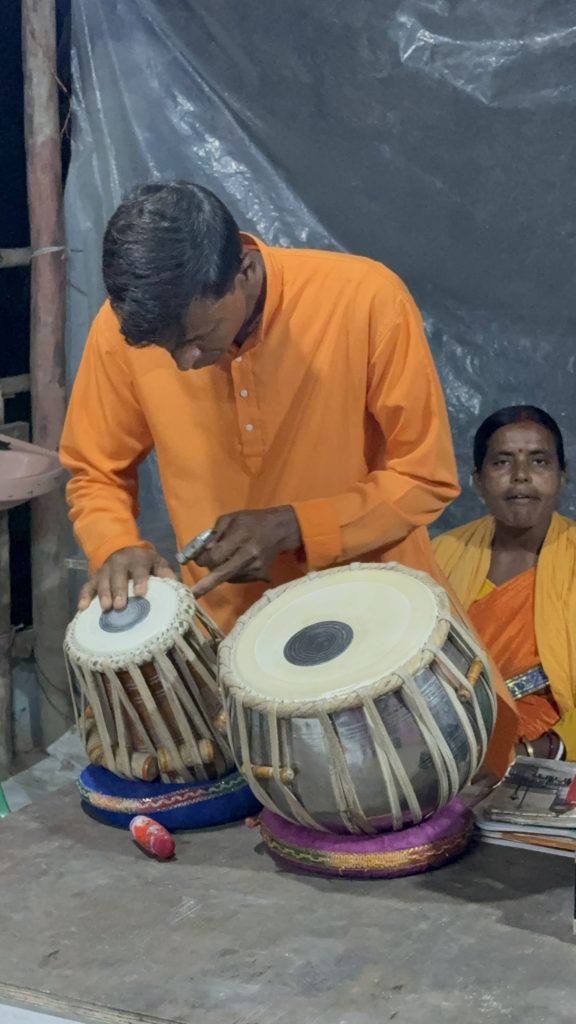
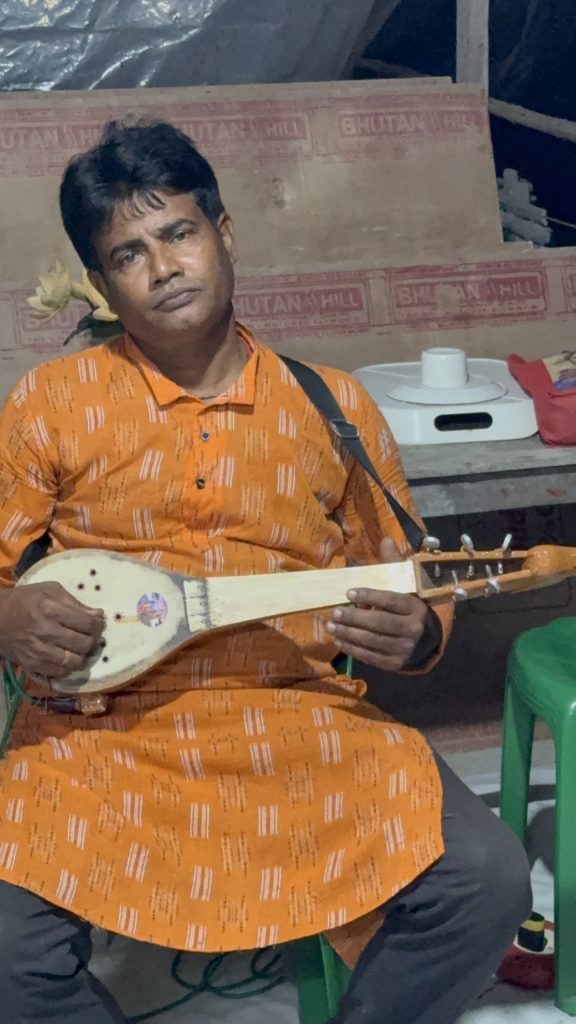
My week in Bali was split between two very different but equally memorable stays. The first was at Bonbibi’s Homestay, a simple village home where warmth mattered far more than luxury. We spent the day at Kalicharan’s home, sharing conversations over steaming cups of chai, home-cooked Bengali meals and watching plays and listening to local folk music. I went bird watching with Subrato in search of elusive owls and walked along canals and wetlands, losing myelf in the verdant greenery

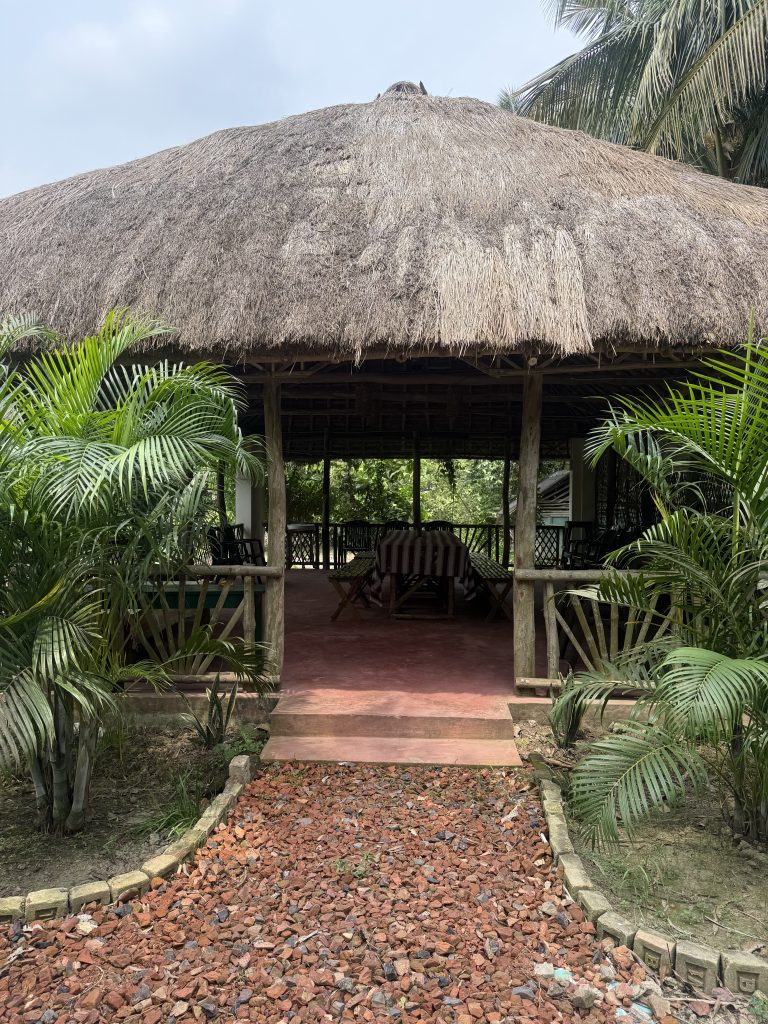
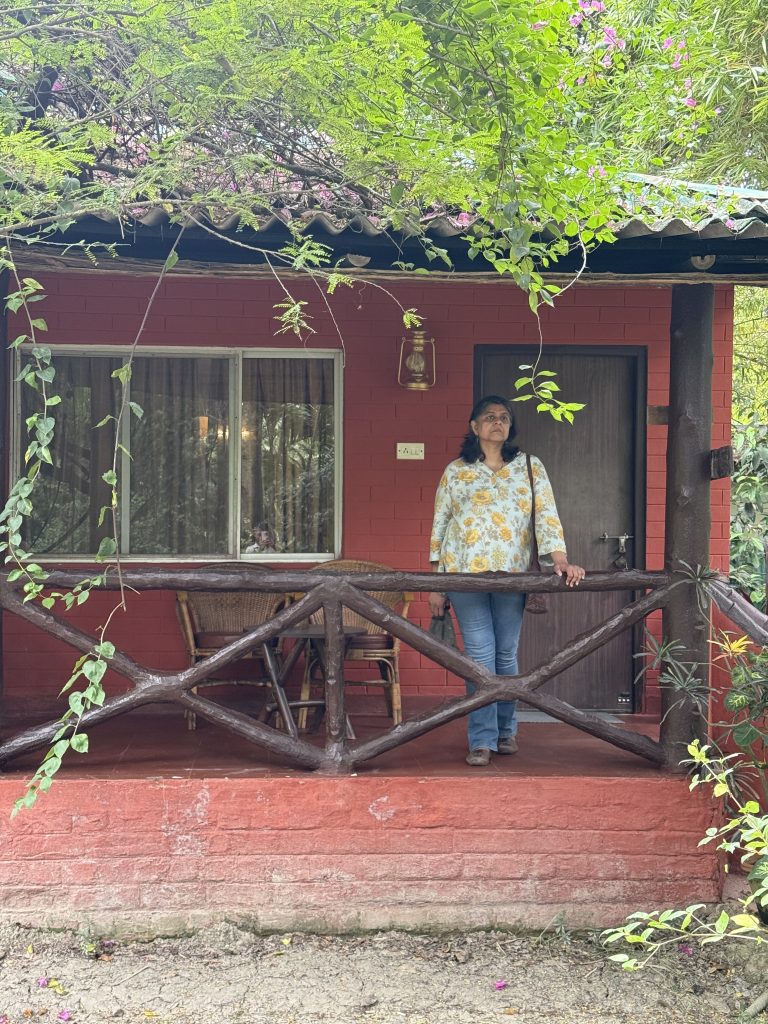
I spent a night at the wild and boutique Sundarban WELD Camp, tucked amidst lush greenery, ponds and towering trees, which is the last habitation on the village before the forests take over. Waking up to birdsong, wandering along forest trails and watching kingfishers, drongos and flycatchers from the verandah made it feel as though nature had quietly claimed every corner of the camp.
Experiencing the Soul of Bali
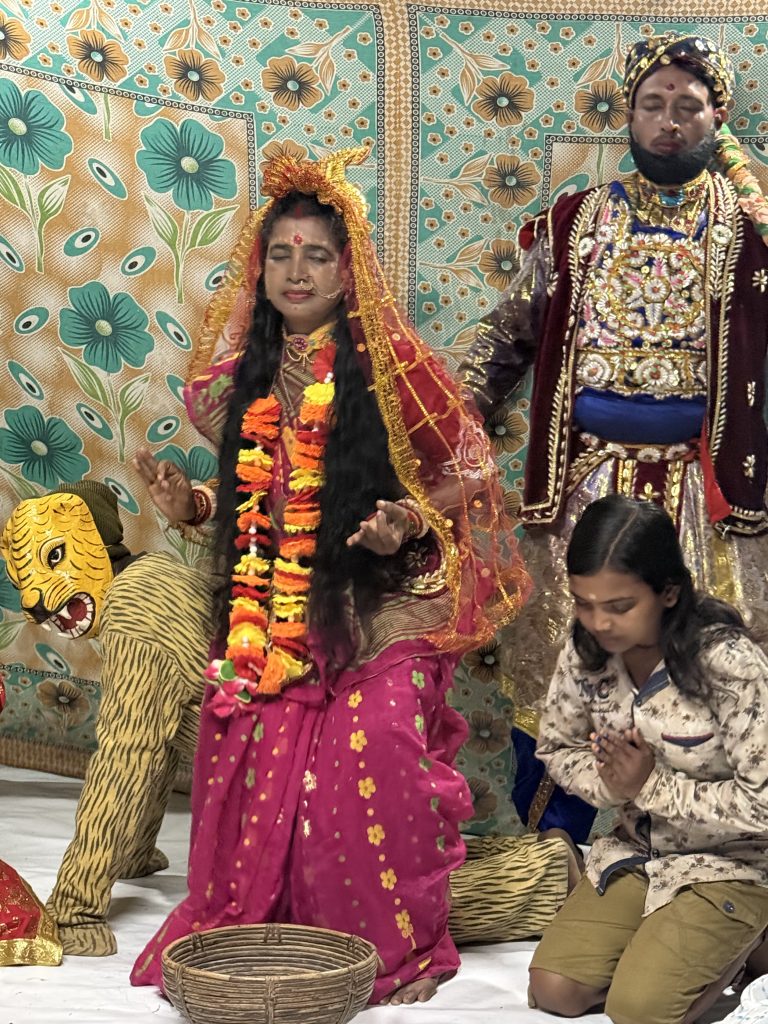
The days were filled with curated but authentic experiences that revealed the many layers of the Sundarbans beyond its famous tiger. I listened to the haunting melodies of Baul singers whose music has echoed across rural Bengal for centuries. I watched village theatre bring to life the timeless legend of Bonbibi, the guardian deity of the forest, whose story continues to shape the lives of those who venture into the mangroves.
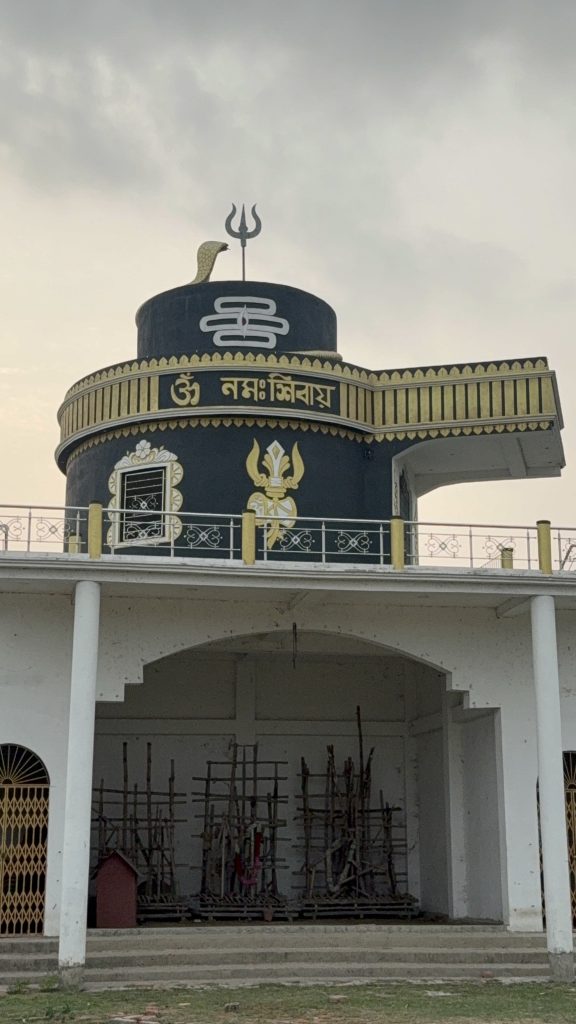
I wandered through bustling village markets, visited temples where faith and folklore intertwined, explored nature trails in search of birds, butterflies, mudskippers and red fiddler crabs, hopped across islands and crossed rivers on local ferries that are as much a part of daily life as roads are elsewhere. Every experience felt unhurried, unfiltered and deeply rooted in the lives of the people who call these islands home.
Gosaba: The Largest Inhabited Island of Sundarbans
Leaving behind the tranquil rhythms of Bali, we boarded a private special ferry and continued our island-hopping journey to Gosaba, the largest inhabited island in the Indian Sundarbans. While Bali was an idyllic village where time slowed down, Gosaba pulsed with energy. Often regarded as the gateway to the wildlife safaris in Sundarbans, it is the commercial hub of the region and the starting point for many visitors heading to the Sajnekhali Watch Tower and the surrounding wildlife sanctuaries.

But Gosaba deserves to be experienced beyond its role as a transit point. Its bustling markets, colourful shops, temples and lively streets reveal another side of island life. At the heart of it all is Pakhiralay, the island’s tourist hub along the riverfront with its vibrant shopping market, budget guesthouses, eateries, souvenir shops and local businesses. It was a refreshing contrast to the quiet lanes of Bali, offering a glimpse into the everyday hustle and bustle of life in the Sundarbans.
Threads of the Sundarbans
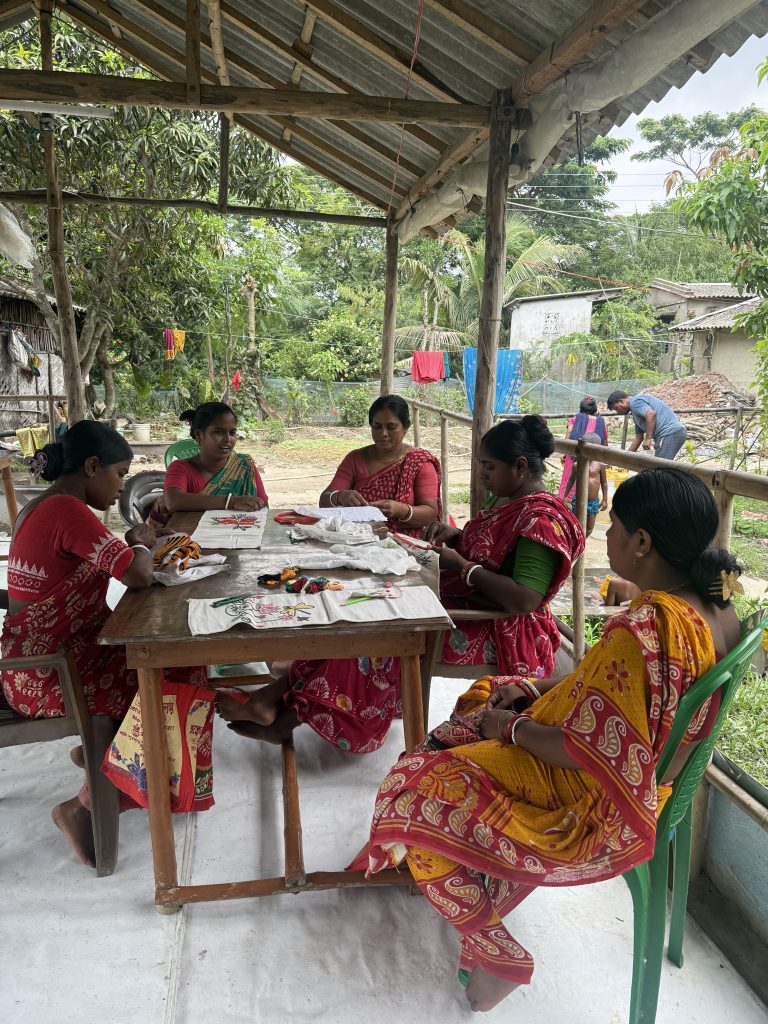
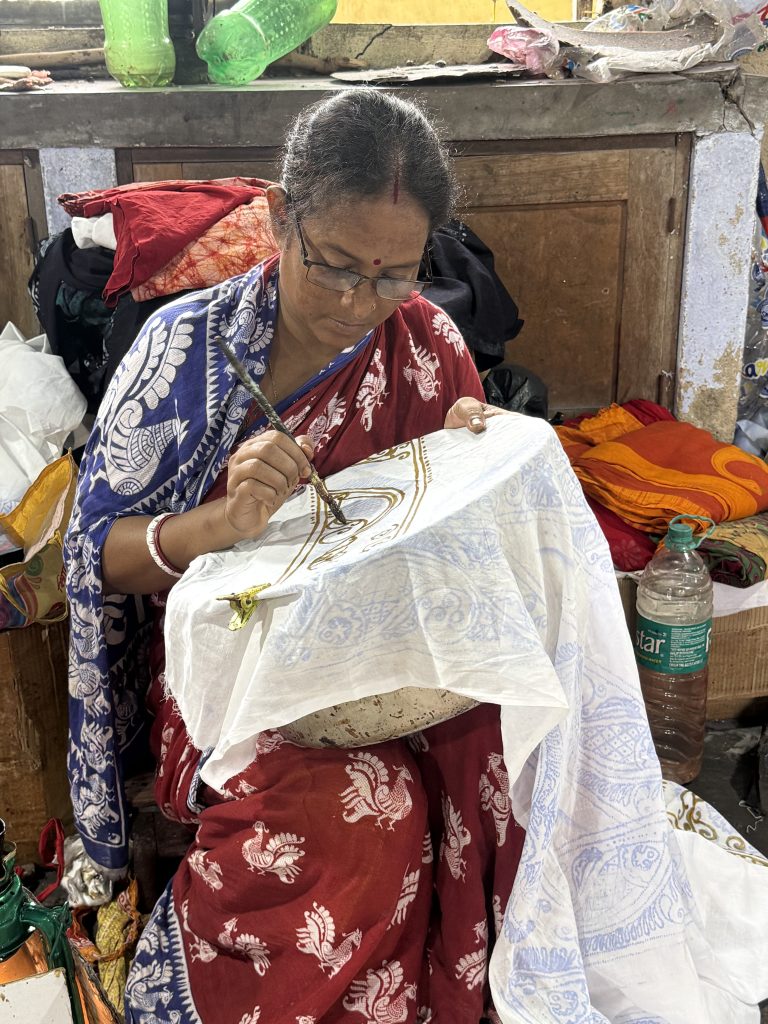
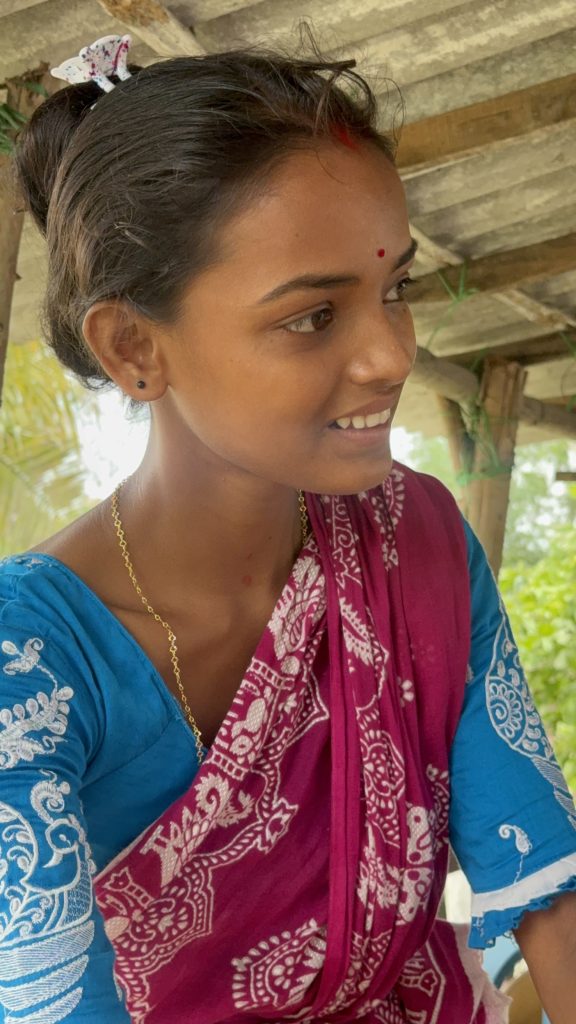
One of the highlights was a visit to Rangabelia in Gosaba to learn about the Rangabelia Rural Development Project, established by Tushar Kanjilal in the late 1960s. We were greeted by the beautiful guide, Jaya Mukherjee Pal, who introduced us to the women weavers, then took us to a heritage building that housed the local batik centre, where nearly a hundred women have been trained as weavers and artisans for years.
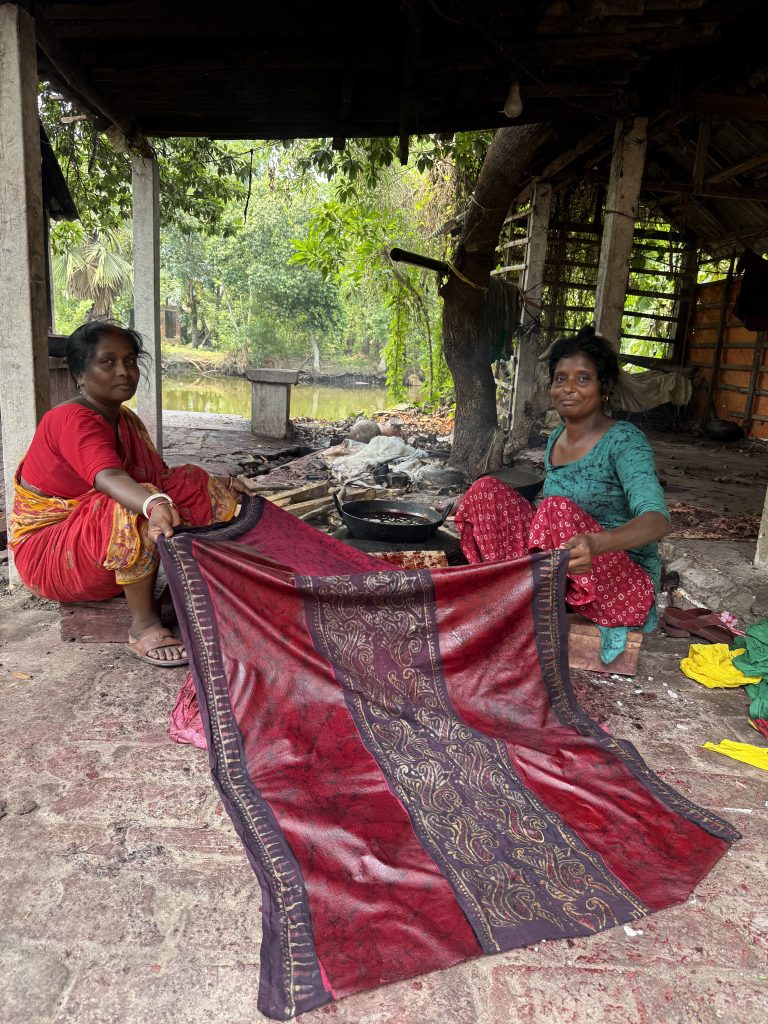
Watching molten wax being applied to fabric before the intricate dyeing process unfolded was as mesmerising as the finished creations themselves. Saris, kurtas, scarves, bags and textiles emerged as vibrant canvases inspired by the colours and rhythms of Bengal. More than craft centres, these spaces represent sustainable livelihoods, where traditional skills are helping women build economic independence while keeping their artistic heritage alive.
Sundar Sundarban – A community initiative
However the highlight of the entire trip was one of the most heartwarming moments of the journey – the inauguration of the Sundar Sundarban Craft Store at Pakiralay in Gosaba. More than just a shop, it represented the coming together of an entire community.
Local guides, women weavers, talented artisans, home stay owners, farmers, tour operators and the entire rural community – all members of the Sundar Sundarbans society, gathered to celebrate a dream that had finally found a home.
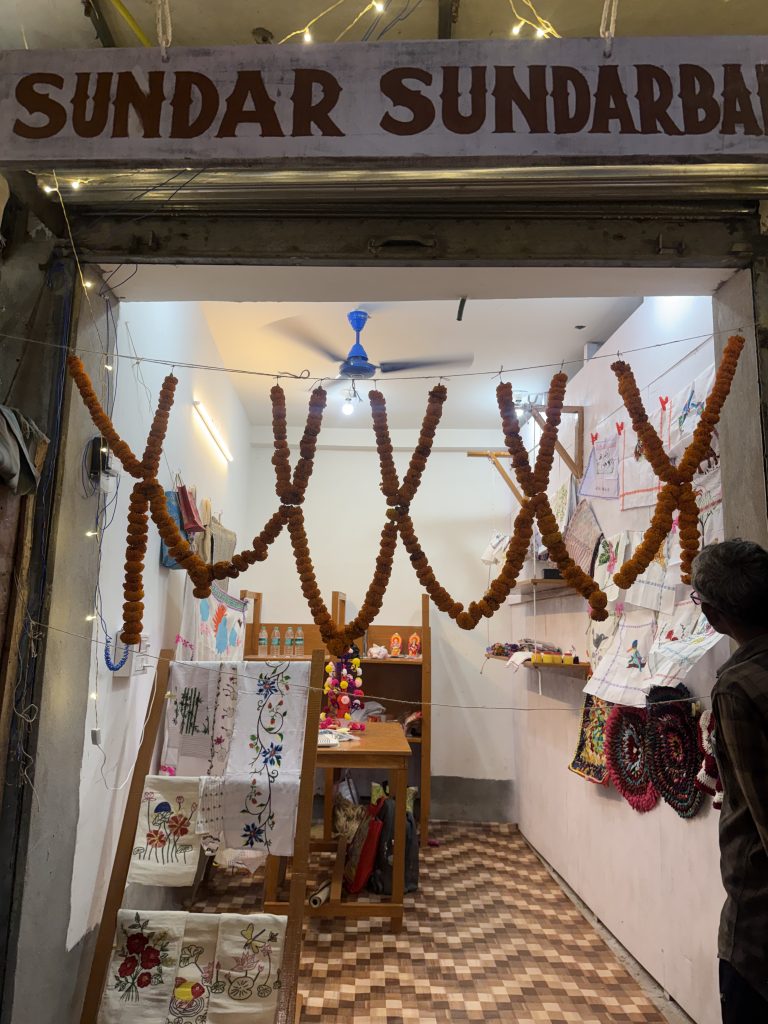
Stepping into the store felt like stepping into the Sundarbans all over again. Every shelf and every wall told a story of the islands through craft. The women had worked magic with their fingers, transforming simple pieces of cloth into vivid works of art.
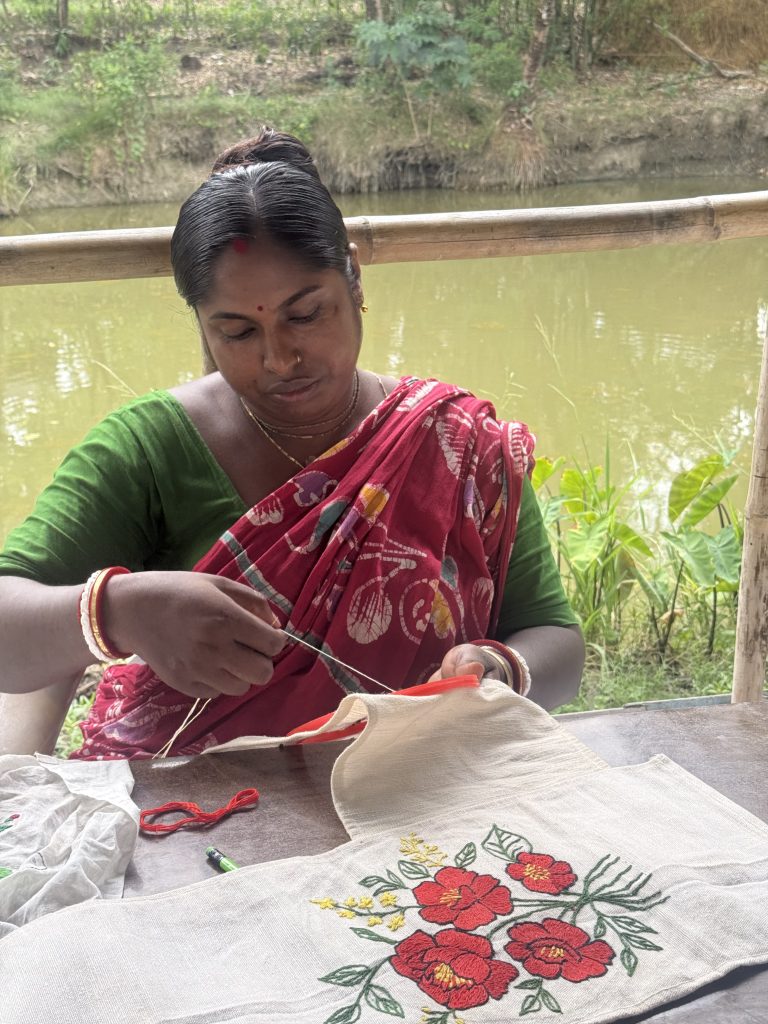
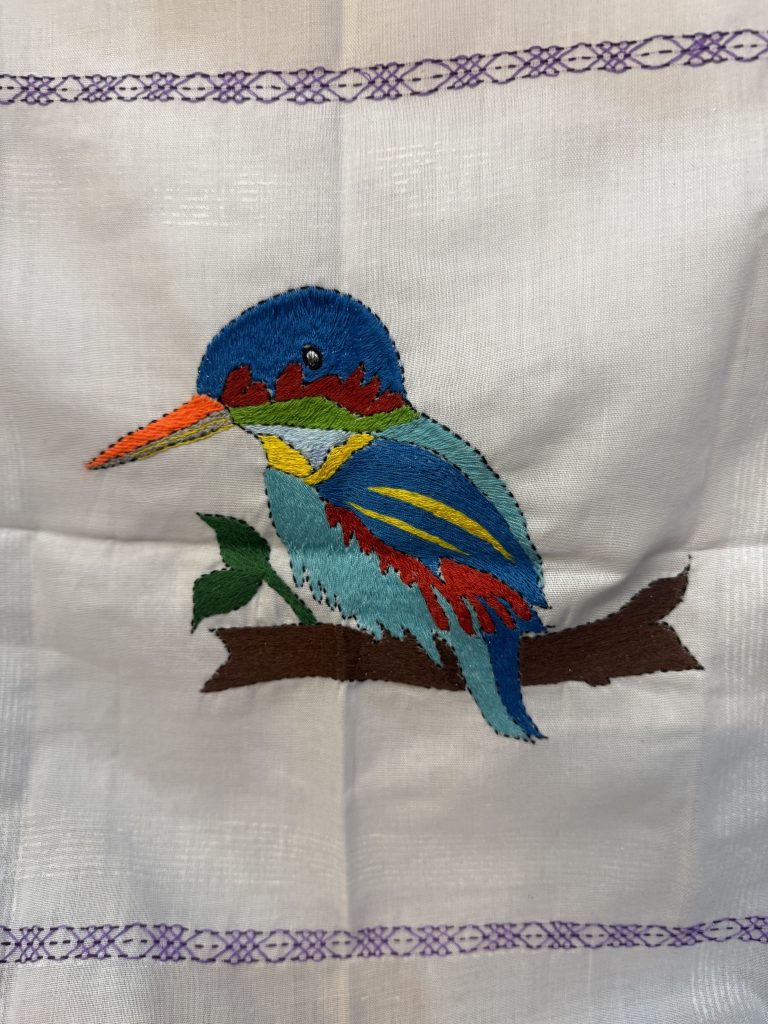
Every stitch seemed to carry the spirit of the islands. The brilliant blue of a kingfisher flashed across embroidered panels, the striped silhouette of the Royal Bengal Tiger emerged from dense mangroves, colourful fishing boats drifted along tidal rivers, village homes nestled beside ponds, while flowers, trees and birds brought the landscape alive in a riot of colour.From delicate bookmarks and handkerchiefs to bags, table runners, wall hangings and home décor, each piece carried the unmistakable imprint of the Sundarbans.
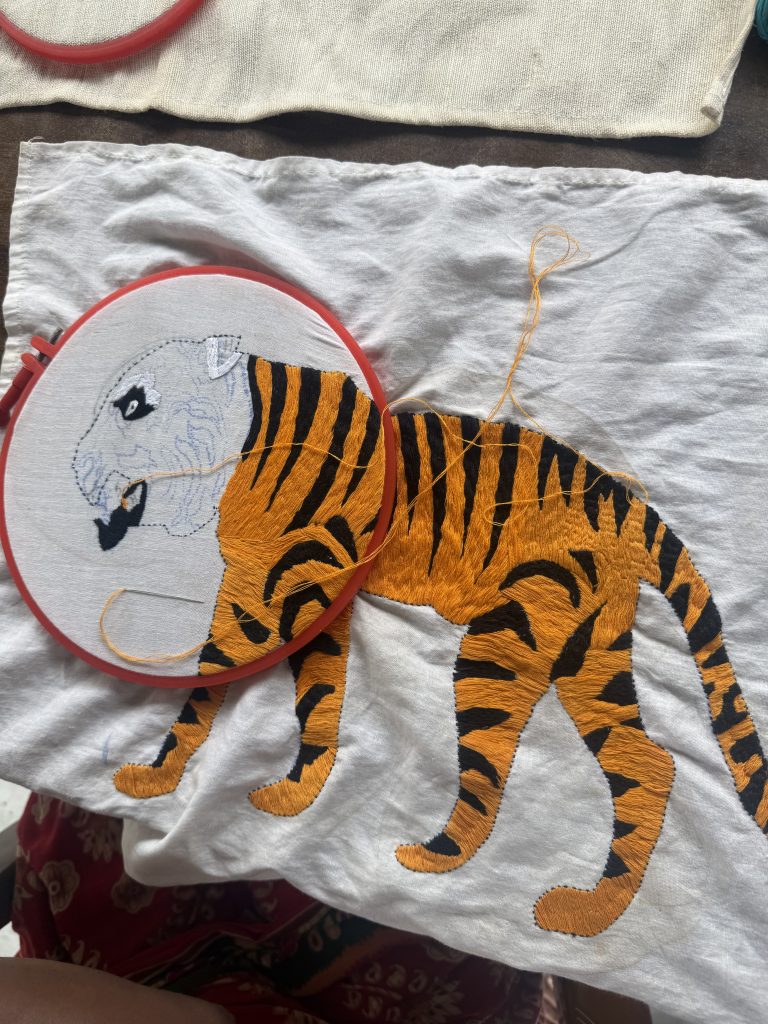
What made the collection even more special was knowing the hands behind it. Using traditional crafts such as kantha embroidery, chain stitch, batik, regional embroidery techniques and other local textile traditions, the women had transformed their everyday landscape into works of art. Each reflected the imagination, patience and extraordinary skill of the artisan who created it.
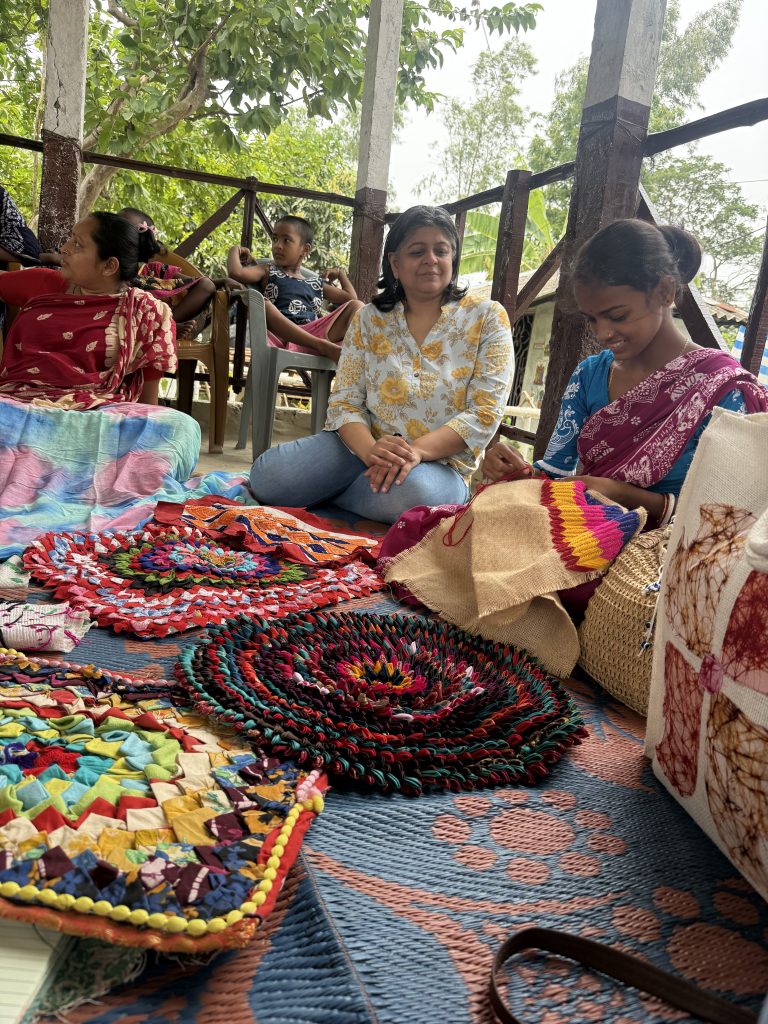
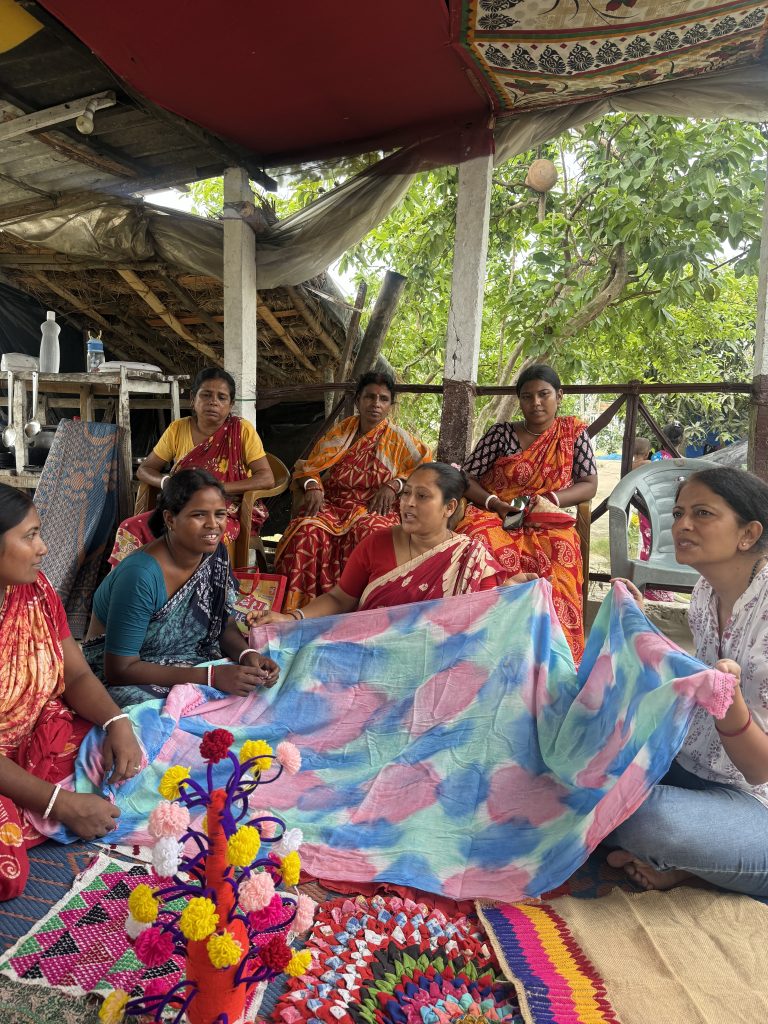
These weren’t simply souvenirs for travellers to take home. They were stories stitched in thread, preserving memories of the Sundarbans while creating sustainable livelihoods for the communities who call these islands home.
Island Hopping and Farm to Fork – Dayapur
Another ferry ride brought us to Dayapur, an island that shared Bali’s warmth but had a more lived-in, bustling character. Here, village lanes were wider, homes stood closer together, and life seemed to move at a slightly quicker pace.
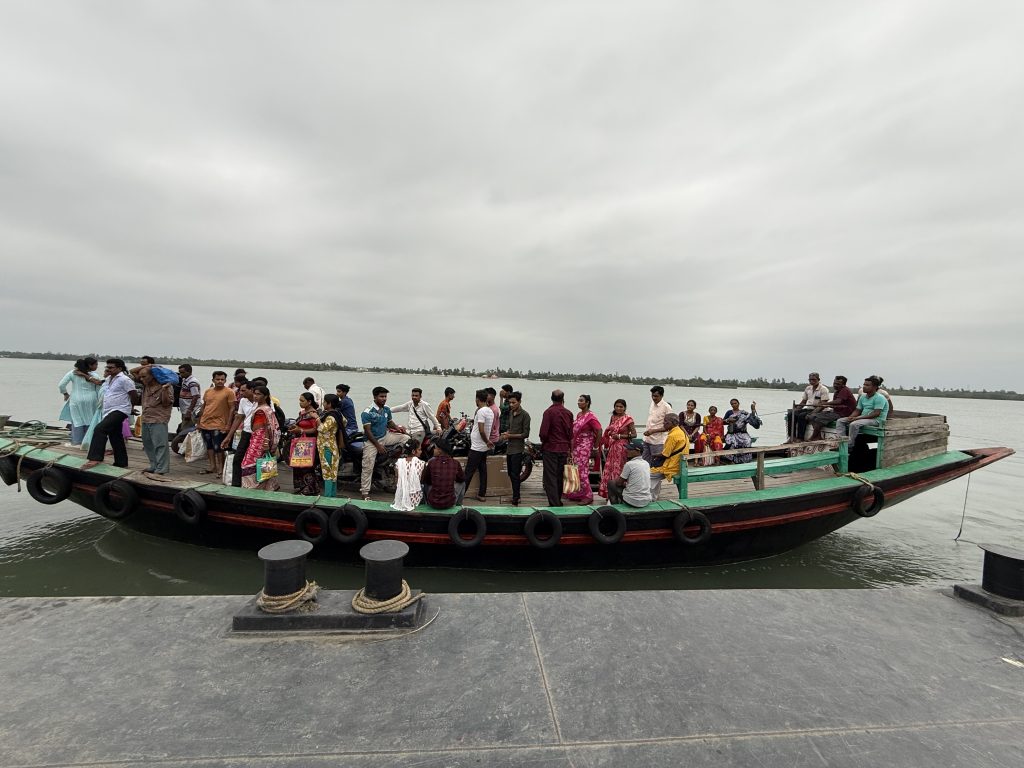
My stay in Dayapur began in another charming village homestay, tucked away beside a local school, and the cheerful sound of school bells became my morning alarm instead of temple bells. It was simple, spotless and wonderfully peaceful with the gentle rhythm of village life. Living with a local family once again added a sense of warmth and belonging that no hotel could have offered.
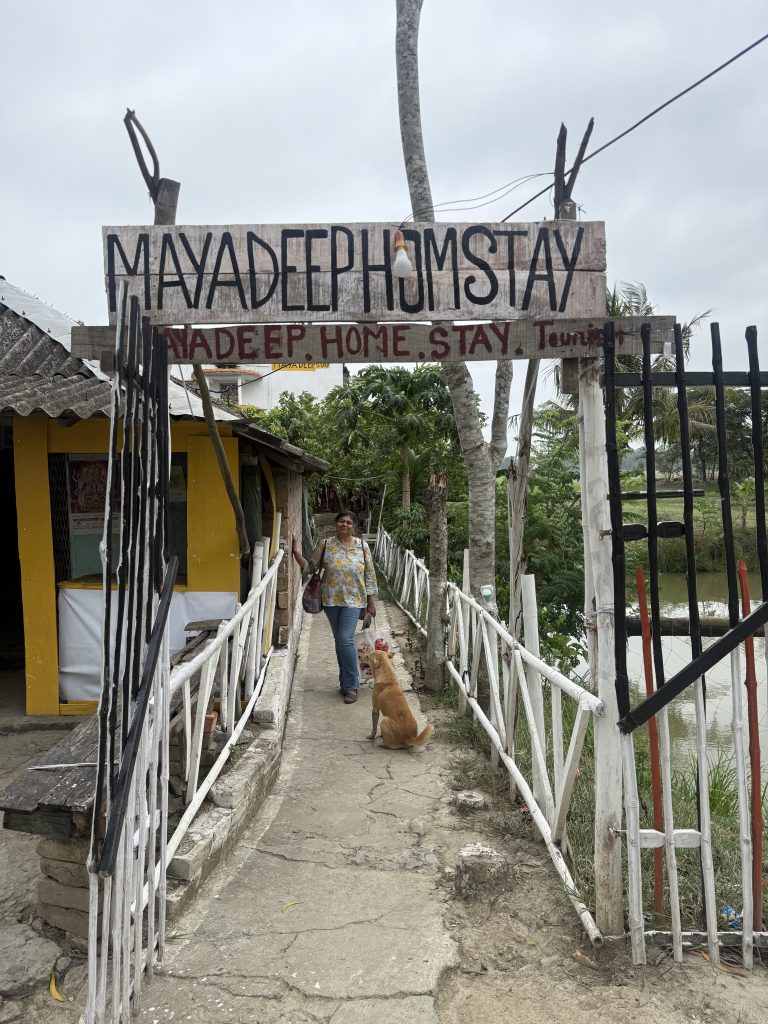
If Gosaba treated us to a delicious farm-to-table lunch hosted by the families of Biswajit Mondal and Avjit Bagchi, we were warmly welcomed by Vikram and his lovely wife at Dayapur, where we met the talented artisans. In both these islands, we wandered through lush fields growing seasonal vegetables, sugarcane and sprawling betel leaf plantations.
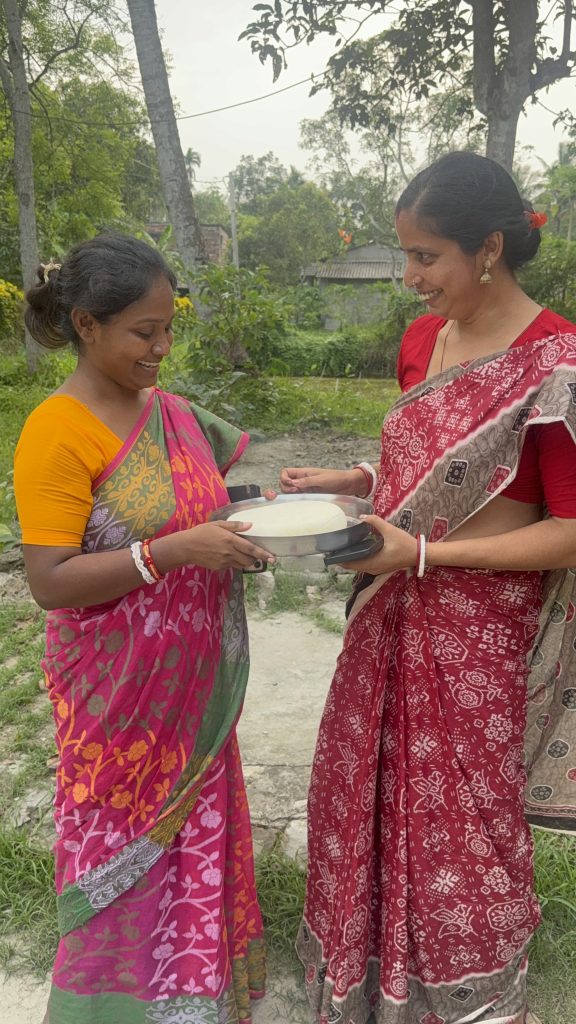
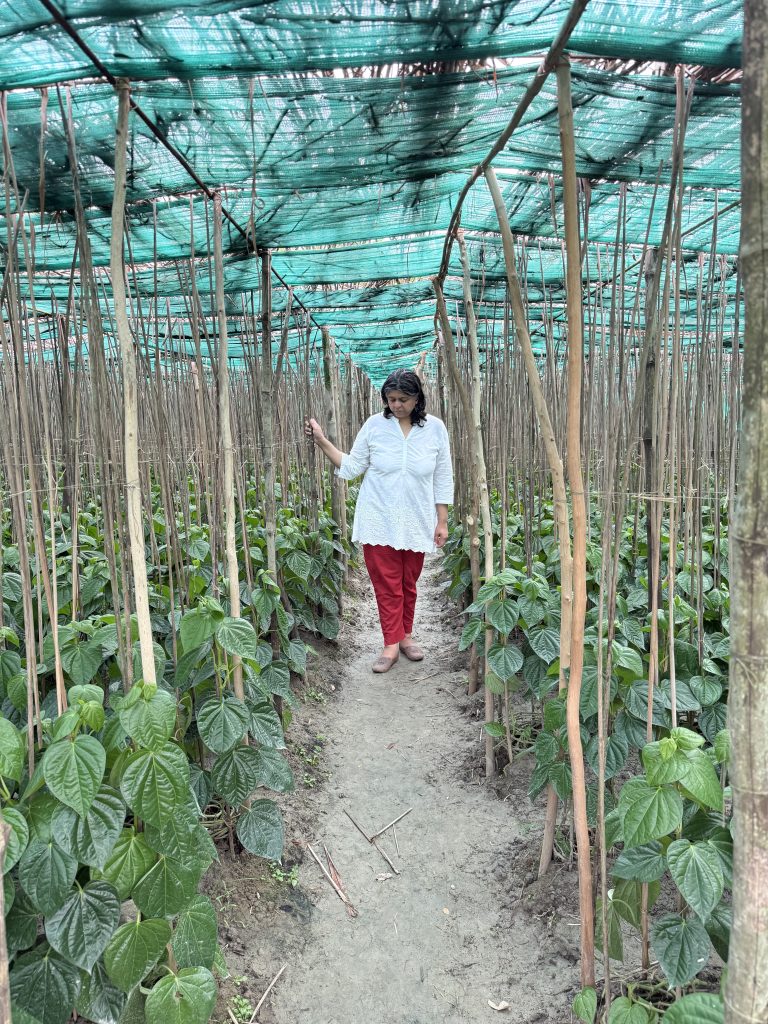
Freshwater ponds, fruit trees and colourful homes completed the idyllic setting. Much of the produce served at lunch came directly from the farm, while fresh paneer was made in the households of Sukhen Das. Between the fields, ponds and village paths, there was always time to pause for birdwatching, adding yet another layer to the experience.
Like Bali, Dayapur celebrated slow living, but it also reflected the quiet enterprise of the Sundarbans—where farming, crafts, tourism and community come together to create livelihoods that are deeply rooted in the land.
From Village Homes to the Edge of the Wild
The following day, the setting changed dramatically. I checked into the Sundarban Tiger Camp by Waxpol Hotels, one of the oldest wildlife camps in the Sundarbans. Perched on the banks of the river with its own private jetty, the camp felt as though it had grown out of the forest itself.
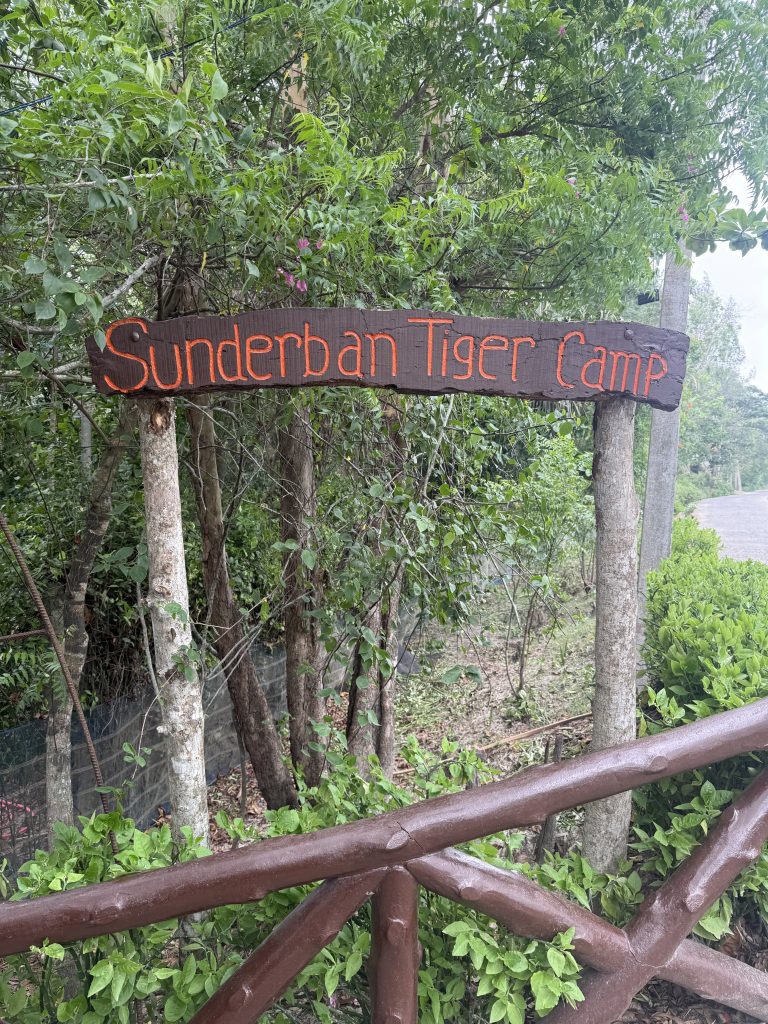
Towering trees shaded winding pathways, ponds reflected the dense canopy overhead, mangroves fringed the water’s edge and birds filled the air with their constant calls. Water monitors wandered unhurriedly through the grounds, reminding you that here, nature was never far away. It was easy to forget where the camp ended and the wilderness began.
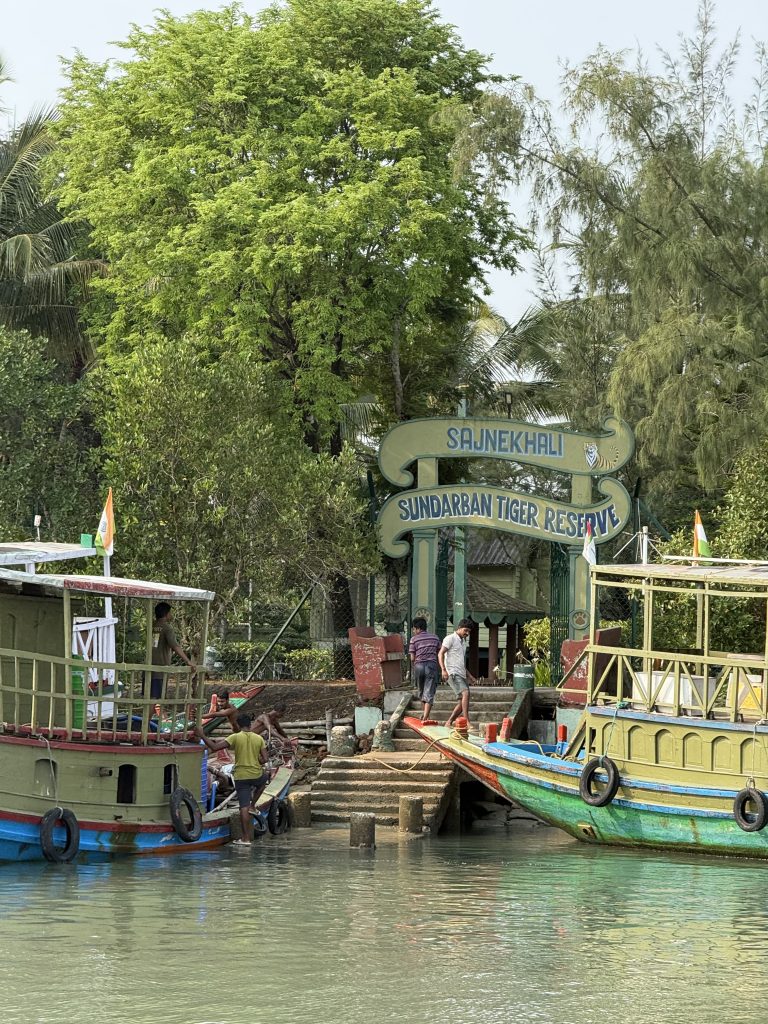
Our final morning started from the camp’s jetty as we set off by boat towards the protected forests of the Sundarbans and the famed Sajnekhali forests. This was the wild island that was exclusively the tiger’s haunt – a labyrinth of tidal rivers, narrow creeks and dense mangroves, where every bend seems to hold the promise of a sighting.
We scanned the muddy banks and forest edges for the elusive Royal Bengal Tiger, knowing full well that the thrill of the Sundarbans lies as much in the search as in the sighting itself. The tigers remained hidden, but the wilderness revealed itself in countless other ways.
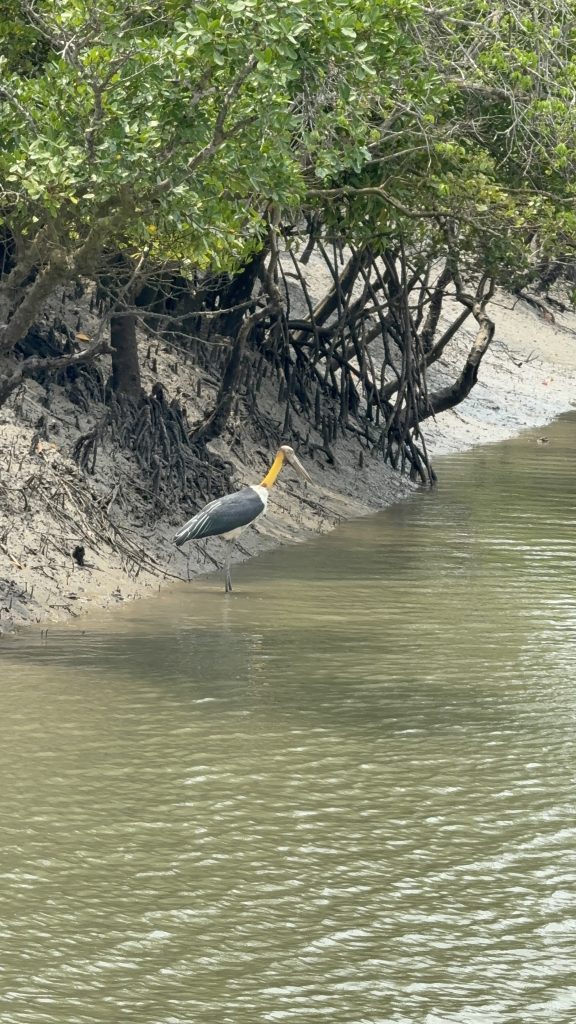
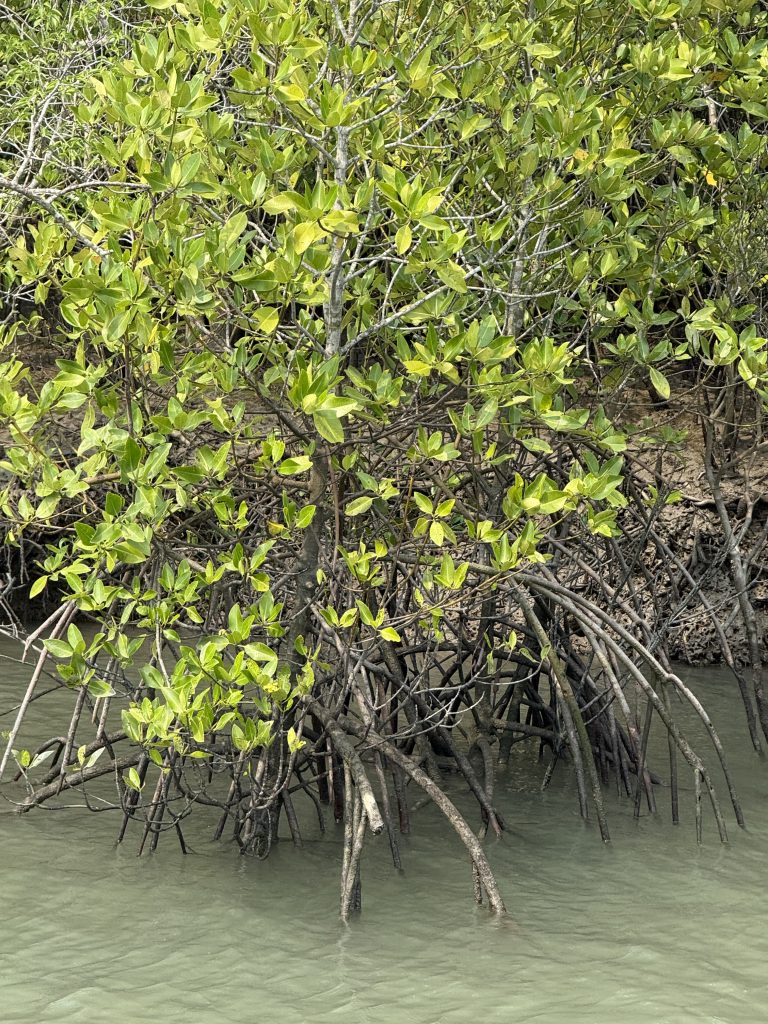
The intricate tangle of mangrove roots, the ever-changing play of light on the water, the calls of birds echoing through the forest and the quiet anticipation that accompanied every turn of the river made the journey unforgettable. Sometimes, the greatest reward isn’t finding the tiger—it’s experiencing the wild on its own terms.
Explore Sundarbans – Beyond the Tiger
The Sundarbans will always be celebrated for its legendary tiger and its mysterious mangrove forests. But for me, its greatest treasure will always be its people—their resilience, creativity, kindness and quiet pride. Long after the tides recede and the forests disappear from view, it is their stories that will stay with me, calling me back to the islands once again.
As our boat pulled away from the islands for the last time, I realised I was leaving with far more than memories of mangroves and the search for the elusive Royal Bengal Tiger. I was carrying with me the echoes of the ulu dhwani at dawn, ferry rides across tidal rivers, Baul songs drifting through the evening, stories of Bonbibi, shared meals in village homes, and countless conversations with people who had welcomed me into their lives with extraordinary warmth and generosity.
From Bali to Dayapur and Gosaba, it was the local communities who transformed the Sundarbans from a destination into an experience. Through their crafts, music, folklore, farms, homestays and everyday lives, they revealed a side of the Sundarbans that few travellers get to see.
Watching women stitch the forests, rivers, kingfishers and tigers into vibrant embroidery, listening to local legends, walking through villages and sharing simple meals made me realise that the true soul of the Sundarbans lies not only in its wilderness, but in the people who have lived alongside it for generations.
That is the vision behind Village Ways and Sundar Sundarban—to create a future where tourism celebrates local culture, empowers communities and generates sustainable livelihoods while preserving the fragile ecosystem of these remarkable islands. It is a model of travel that invites visitors to slow down, look beyond the tiger and discover the many stories that thrive in its shadow.